

A gram is a unit of mass in the metric system, equal to one-thousandth of a kilogram. It is a fundamental measurement in scientific, industrial, and everyday applications. The metric system, developed in France during the late 18th century, uses the gram as a base unit for measuring weight and mass in various fields.
The concept of 1 gram plays a crucial role in daily life, from weighing ingredients in cooking to measuring the mass of small objects in laboratories. Understanding the importance of a gram can help in fields such as chemistry, physics, medicine, and commerce.
History and Evolution of the Gram

The metric system was officially introduced in 1799, with the gram serving as one of its fundamental units. The word “gram” originates from the Greek term gramma, meaning “a small weight.” Over time, the gram became the standard unit of mass in most countries, simplifying trade and scientific measurements.
Before the adoption of the metric system, various weight measurements existed worldwide, leading to inconsistencies. The gram helped standardize weight calculations, enabling accurate trade, scientific experiments, and industrial applications.
Conversion of 1 Gram into Other Units
The gram is widely used in different unit conversions, especially in international trade and science. Below is a table showing how 1 gram is converted into various measurement units:
Understanding these conversions is essential for various professions, including pharmacy, jewelry, and scientific research.
Practical Applications of 1 Gram
The measurement of 1 gram is significant in multiple industries and everyday scenarios. Below are some of its key applications:
Scientific Research and Laboratories
Scientists frequently use the gram as a standard unit of measurement when conducting experiments. Precise calculations are essential in chemistry, physics, and biology to ensure accurate results. Laboratories rely on digital balances to measure substances in grams and milligrams for formulations, medicines, and chemical reactions.
Pharmaceuticals and Medicine
In the pharmaceutical industry, the precise measurement of medicine dosage is critical. Many drug formulations contain active ingredients measured in milligrams or grams. A minor error in dosage can lead to severe health consequences, making accurate weight calculations crucial in medicine.
Food and Nutrition
The food industry depends heavily on gram measurements. Nutritional labels on packaged food indicate the mass of ingredients in grams, allowing consumers to track their intake of proteins, carbohydrates, fats, and other nutrients.
For example:
-
A teaspoon of sugar weighs about 4 grams.
-
A slice of bread weighs approximately 25 grams.
-
A small apple weighs about 150 grams.
Jewelry and Precious Metals
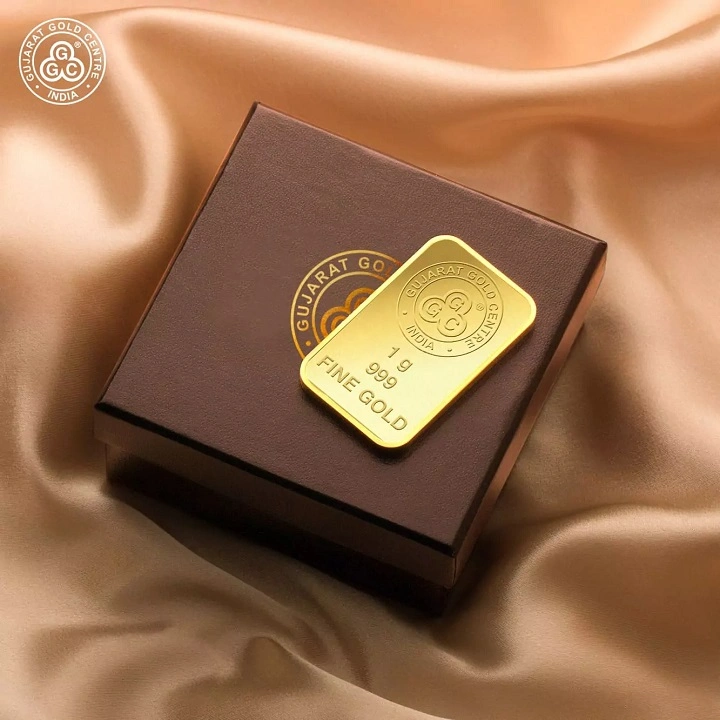
The gram is commonly used in the jewelry industry to measure the weight of gold, silver, and gemstones. Gold prices are often quoted per gram, making weight precision vital in determining the value of jewelry.
Postal and Shipping Services
Shipping companies use grams to determine postage rates. Lightweight packages, letters, and documents are priced based on their gram weight. For instance, a standard letter may weigh between 20-30 grams, influencing postal charges accordingly.
Manufacturing and Industry
Industrial processes rely on precise weight measurements to maintain quality control. In the production of goods such as plastics, textiles, and electronics, raw materials are measured in grams or kilograms to ensure consistency and efficiency.
How Small is 1 Gram?

To visualize the size of 1 gram, consider these common objects:
-
A paperclip weighs about 1 gram.
-
A small raisin weighs approximately 1 gram.
-
A standard banknote weighs around 1 gram.
Although 1 gram is a small unit, its importance in various applications cannot be understated.
Comparing 1 Gram with Other Weights
To better understand how 1 gram compares to other weights, here is a comparison:
This comparison highlights the relative lightness of 1 gram in everyday objects.
Importance of Accuracy in Weighing 1 Gram
Accurate weighing of 1 gram is crucial in scientific, commercial, and personal applications. Miscalculations can lead to significant consequences, such as incorrect medicine dosages, faulty manufacturing, or inaccurate gold pricing. Digital weighing scales, analytical balances, and precision instruments ensure correct measurements.
Frequently Asked Questions
How many teaspoons are in 1 gram?
The conversion depends on the substance. For example, 1 gram of sugar is about 0.24 teaspoons, whereas 1 gram of salt is approximately 0.18 teaspoons.
How much does 1 gram of gold cost?
Gold prices fluctuate daily based on market rates. The cost of 1 gram of gold varies depending on purity, demand, and international prices.
What household items weigh exactly 1 gram?
A paperclip, a small coin, or a thumbtack are common household items that weigh around 1 gram.
Can I measure 1 gram without a scale?
It is difficult to measure 1 gram accurately without a scale, but using objects of known weight, such as a paperclip, can help estimate it.
Why is 1 gram important in science and medicine?
In science and medicine, precision is critical. Many chemical reactions, medicine dosages, and nutritional values depend on exact gram measurements to ensure safety and effectiveness.
The significance of 1 gram extends across various fields, from scientific research to everyday applications. Understanding its conversions, uses, and importance enhances accuracy in measurements, ensuring precision in industries such as medicine, food, jewelry, and postal services. Though small, 1 gram holds substantial value in daily life, proving that even the smallest measurements can have a significant impact.