

Handling heavy loads is an essential part of many industries, from construction and logistics to healthcare and manufacturing. When done improperly, it can lead to serious injuries, operational inefficiencies, and costly damages. Every sector faces unique challenges, but the right equipment, techniques, and training can make all the difference. This article explores the best practices for managing heavy loads safely and efficiently across different industries, ensuring worker safety and optimizing productivity.
Construction Industry: Heavy Equipment and Manual Handling
The construction industry relies heavily on lifting, moving, and positioning large materials. Workers frequently handle steel beams, concrete slabs, and machinery that require specialized equipment.
One of the most critical aspects of construction site safety is ensuring workers use the right tools. Cranes, hoists, and forklifts are commonly used to lift heavy materials, reducing the risk of manual lifting injuries. However, even with equipment, proper load distribution is crucial. Unbalanced loads can shift suddenly, leading to falls or equipment tipping.
OSHA (Occupational Safety and Health Administration) guidelines emphasize proper training and the use of protective gear. Workers should also use buddy systems when lifting manually, bend at the knees instead of the waist, and avoid twisting motions while carrying weight. These small adjustments significantly lower the risk of muscle strain and back injuries. For further reading on workplace safety and load handling regulations, refer to OSHA’s official guidelines on material handling safety.
Logistics and Warehousing: Efficient Load Management
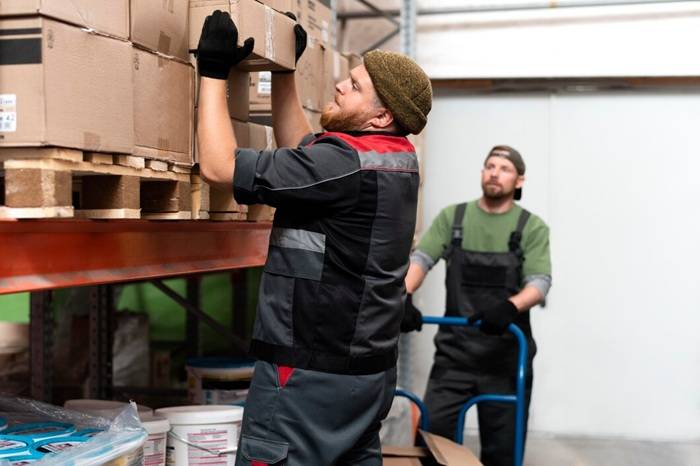
Warehouses and distribution centers are fast-paced environments where heavy loads are constantly moved. Whether workers are lifting boxes, operating forklifts, or managing inventory, improper handling can lead to accidents and product damage.
To improve efficiency, many logistics companies use automated conveyor systems, pallet jacks, and robotic arms. These tools reduce the reliance on manual labor, speeding up operations while minimizing injury risks. Proper stacking techniques also play a vital role—heavier items should always be placed at the bottom to prevent toppling.
Employee training is essential in warehouses. Workers should be taught how to lift safely, use equipment correctly, and recognize potential hazards. Regular safety audits and refresher courses ensure that best practices remain a priority.
Manufacturing: Streamlining Heavy Load Handling
Manufacturing plants deal with heavy components, machinery, and raw materials daily. The use of hydraulic lifts, automated guided vehicles (AGVs), and conveyor belts helps streamline operations while reducing strain on workers.
Ergonomic design plays a huge role in safe heavy load handling within manufacturing. Workstations should be set up to minimize excessive reaching and lifting. Robotics and automation have also transformed manufacturing, with robotic arms taking over tasks that would otherwise require significant physical effort from workers.
By integrating load-handling technology, manufacturers can reduce workplace injuries, increase productivity, and maintain consistency in operations. Companies investing in these solutions often see long-term cost savings through fewer worker compensation claims and improved efficiency.
Healthcare: Handling Heavy Patients and Medical Equipment
Healthcare professionals frequently lift and reposition patients, move medical equipment, and transport heavy supplies. Unlike other industries, the load being handled is often fragile—human lives depend on proper technique and assistance.
Lifting patients improperly can lead to severe back injuries for nurses and caregivers. To prevent this, hospitals and clinics use mobility aids such as patient lifts, hoists, and transfer belts. Adjustable hospital beds also help minimize strain by allowing for easier positioning.
Proper body mechanics are crucial for caregivers. When lifting, they should use their legs instead of their backs and seek assistance when moving particularly heavy patients. Regular training on patient handling techniques is essential to reduce workplace injuries in healthcare settings.
Heavy Load Handling in Transportation and Shipping
In the transportation sector, securing and moving cargo safely is paramount. Whether it’s loading a truck, shipping containers, or securing freight for air transport, every step must be executed with precision to avoid accidents.
One of the most effective ways to improve load handling in transportation is through specialized equipment like semi trailer mover attachments. These attachments make it easier to maneuver and position heavy loads with minimal effort, reducing strain on workers and increasing efficiency.
Additionally, securing loads properly is non-negotiable. Loose cargo can shift during transit, causing severe accidents. The use of ratchet straps, tie-downs, and weight distribution systems helps ensure stability. Companies must comply with legal weight limits and conduct routine inspections to prevent overloaded vehicles from hitting the road.
The Role of Technology in Heavy Load Management
Technology continues to revolutionize heavy load handling across industries. AI-powered automation, smart sensors, and exoskeletons are some of the latest advancements helping workers lift heavier loads with less risk of injury.
For example, wearable exoskeletons provide additional support for workers lifting heavy objects, reducing strain on the body. Similarly, smart sensors installed on lifting equipment can detect weight imbalances and issue warnings before accidents occur. Autonomous robots are also playing a growing role in warehouses, transporting loads efficiently without human intervention.
Investing in these technologies enhances workplace safety while improving operational speed. Companies that adopt automation and AI-driven load management tools gain a competitive edge by reducing downtime and minimizing injury-related absences.
Conclusion
Heavy load handling requires a strategic approach tailored to each industry’s unique challenges. Whether it’s construction, logistics, manufacturing, healthcare, or transportation, best practices revolve around proper equipment use, ergonomic techniques, and safety training.
By implementing the right tools and training programs, businesses can prevent injuries, protect their workers, and improve efficiency. Investing in innovative load-handling solutions not only ensures compliance with safety regulations but also enhances productivity and profitability in the long run.