

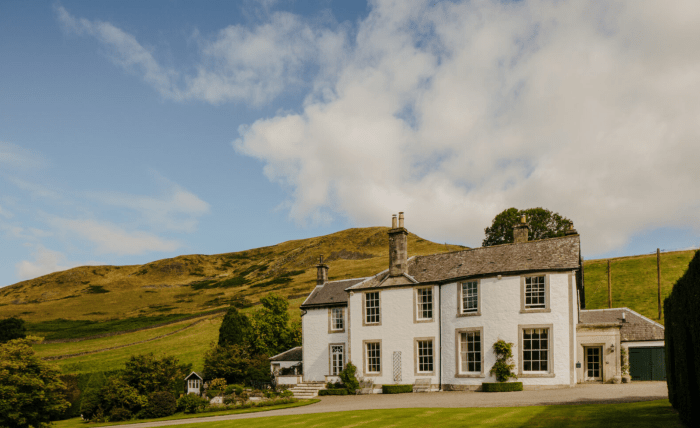
Embracing the Beauty of Scotland’s Terrain
Scotland’s landscapes are breathtakingly diverse, ranging from craggy highlands to windswept coastlines. Designing a home that respects this environment requires careful thought and a deep understanding of local materials, natural lighting, and sustainable techniques. Architects in Scotland often focus on crafting spaces that merge seamlessly with their surroundings, using time-honoured methods alongside innovative design principles.
Choosing Materials That Echo the Land
A home that blends into the Scottish environment should be built with elements sourced from the region. Locally quarried stone, weathered timber, and lime mortar not only reflect the hues and textures of the surroundings but also ensure longevity. These materials endure the country’s varied weather patterns while adding a sense of authenticity.
The Role of Natural Stone
Scottish homes have long been constructed from stone, a testament to its durability and timeless aesthetic. Granite, sandstone, and slate each offer unique tones that reflect the hues of the land, ensuring that structures appear as if they have always belonged.
Timber for Warmth and Sustainability
Reclaimed wood or responsibly harvested timber provides insulation, visual warmth, and an organic connection to nature. Whether used for exterior cladding or interior finishes, this material adds depth and character to a residence.
Maximising Natural Light and Views
Scotland’s ever-changing skies and expansive vistas should influence the positioning of windows and openings. Floor-to-ceiling glass panels, skylights, and strategically placed apertures ensure that homes are flooded with daylight while framing dramatic landscapes.
Orientation Matters
Positioning a home to take advantage of sun paths can reduce energy consumption while enhancing comfort. South-facing windows capture warmth, while careful shading prevents overheating in warmer months.
Integrating Reflective Surfaces
Mirrored finishes, light-toned walls, and glass features amplify natural brightness, making interiors feel expansive and connected to the outdoors.
Designing for the Elements
Scotland’s climate can be both enchanting and challenging. Homes must be resilient against coastal winds, highland frost, and sudden downpours. Protective design elements ensure comfort and durability without compromising aesthetics.
Shelter from the Storm
Deep eaves, covered porches, and recessed entryways provide protection from the elements while creating welcoming spaces for residents and visitors alike.
Insulation and Efficiency
Thick walls, triple-glazed windows, and green roofs enhance thermal efficiency, reducing energy demands while maintaining a stable indoor climate. Incorporating renewable energy sources, such as ground-source heat pumps or solar panels, further minimizes environmental impact.
Blending Tradition with Innovation
Modern architecture need not conflict with historic Scottish styles. Contemporary homes can incorporate traditional forms while adopting new materials and construction techniques that improve efficiency and sustainability.
Reinterpreting Vernacular Design
Gable-roofed structures, whitewashed exteriors, and stone-built cottages have long defined Scottish dwellings. By reinterpreting these elements with modern proportions and finishes, homes can honour history while embracing contemporary living standards.
Smart Integration
Technology can enhance functionality without compromising aesthetics. Hidden solar panels, discreet ventilation systems, and automated lighting maintain a clean design while offering modern convenience.
Landscaping in Harmony with the Environment
Outdoor spaces should be as thoughtfully designed as the home itself. A landscape that mirrors the surrounding environment will enhance the property’s overall aesthetic and ecological value.
Native Plantings
Using indigenous plants reduces maintenance while supporting local wildlife. Heather, Scots pine, and wildflowers create a natural extension of the landscape.
Sustainable Hardscaping
Gravel paths, dry-stone walls, and timber decking provide structure without disrupting the terrain. These materials age gracefully and complement the home’s exterior.
Crafting a Home That Belongs
A well-designed home in Scotland does more than provide shelter. It stands as a tribute to the land, embodying its rugged beauty and rich heritage. By selecting locally inspired materials, embracing natural light, and considering the landscape, architects and homeowners alike can create spaces that feel both rooted and contemporary. Each element contributes to a residence that not only exists within the environment but thrives as part of it.