

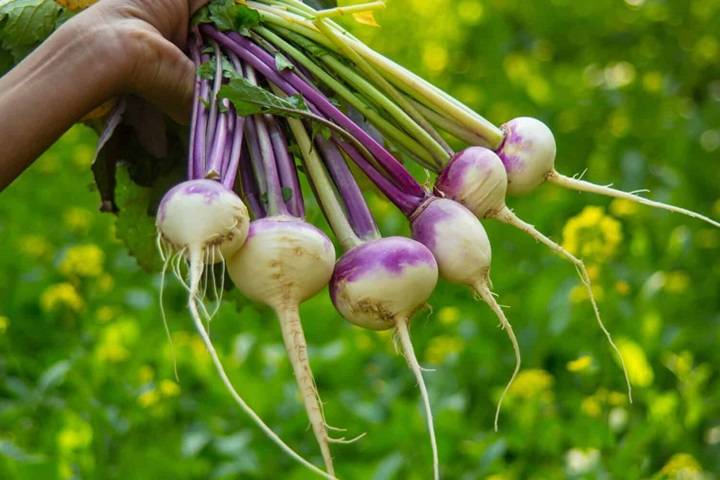
While turnips and radishes can serve a variety of uses, both vegetables somewhat resemble each other. They confuse cooks and gardeners alike. They differ in taste, nutritional value, and texture. The ways of using them in the kitchen are different. Whether you are growing them in your backyard or cooking with them, understanding their differences will help you choose appropriately.
What Are Turnips and Radishes?
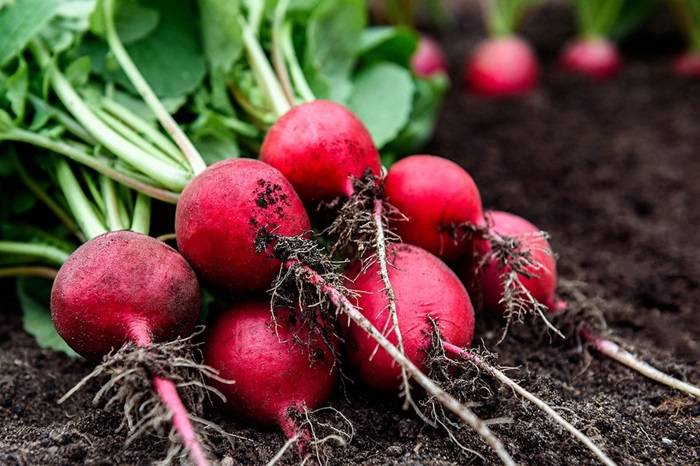
Turnips and radishes are vegetables from the same botanical family as cabbage, broccoli, and kale. Yet, they are distinct from one another.
- Turnips are larger, with white flesh and a milder, sweeter flavor.
- Radishes are smaller, often brightly colored, with a sharper, hotter taste.
Both are consumed all over the world, but their tastes and uses differ greatly.
Appearance and Size
- Turnips: Much bigger with smooth outer skin that is pale, mostly with purple or green tones near the head. They are round or slightly oval, with firm white flesh inside.
- Radishes: Smaller and come in a host of colors, including red, white, purple, and pink. They are round or oval, with a firm white interior.
Flavor Profile
- Turnips: Sweet and mild, with earthy undertones that grow stronger with age. Larger or older turnips can take on a slight bitterness.
- Radishes: Offer a sharp, peppery bite that adds spice to salads and garnishes. Smaller radishes tend to be spicier.
Texture
- Turnips: Raw turnips are firm and crunchy, while cooking makes them tender and creamy. Perfect for roasting, mashing, or soups and stews.
- Radishes: Firm and crisp, with much crunch, usually served raw in salads. Cooking softens their texture and mellows out their spiciness to a sweet flavor.
Nutritional Value
Both vegetables are low in calories and boast an excellent amount of nutrients.
| Feature | Turnips | Radishes |
| Size | Larger, round to slightly oval | Smaller, round or oval |
| Flavor | Mild, slightly sweet | Sharp, peppery |
| Texture | Firm and creamy when cooked | Crisp and crunchy when raw |
| Uses | Roasting, mashing, stews | Salads, pickling, garnishes |
| Nutritional Benefits | High in fiber and potassium, rich in Vitamin C | Hydrating, high in Vitamin C, liver-friendly |
Culinary Uses
Turnips
Turnips are quite versatile and work for both raw and cooked dishes:
- Roasting: Brings out their natural sweetness and caramelizes them.
- Mashed: A lighter alternative to mashed potatoes.
- Soups and Stews: Adds heartiness and depth to dishes.
- Turnip Greens: Edible leafy greens used for sautés and soups.
Radishes
Radishes are great raw but equally wonderful cooked:
- Salads: Add a spicy, crunchy addition to greens.
- Pickled: Becomes much more sour and makes a great condiment.
- Sautéed or Roasted: Radishes soften and lose their spiciness.
- Radish Greens: Good for pestos, soups, or sautéed on the side.
Seasons and Growing Conditions
- Turnips: Grow best in cool weather, usually in early spring or fall. They prefer well-drained soil and take about 60–70 days to mature.
- Radishes: Quick-growing, some varieties maturing in just 20–30 days. They thrive in cooler seasons and can be planted multiple times a year.
Storage
- Turnips: Store well in a cool, dark place for several weeks. For extended freshness, refrigerate in a perforated bag.
- Radishes: More perishable, staying fresh for about a week in the refrigerator. Keep them crisp by wrapping in a damp paper towel and storing in an airtight container.
Varieties
Turnips
- Purple Top White Globe: Mild flavor, widely cultivated.
- Tokyo Turnip: Sweet flavor and small size; great raw.
Radishes
- Cherry Belle: The classic bright red-skinned variety with the familiar sharp peppery taste.
- Daikon: Larger in size, much milder flavor, used extensively in Asian cuisine.
Frequently Asked Questions
Can you substitute turnips for radishes in a recipe?
Yes, turnips can replace radishes in cooked recipes, but the flavor will be milder and less pungent.
Which is healthier: turnip or radish?
Both are healthy options. Turnips have more fiber and potassium, while radishes are more hydrating and rich in antioxidants.
Do turnips taste like radishes?
No, turnips are mild and sweet, while radishes have a sharp, spicy flavor.
Are turnip and radish greens edible?
Yes, turnip and radish greens can be eaten stir-fried, boiled in soups, or made into pestos.
Are turnips and radishes in the same family?
Yes, both are in the Brassicaceae family with siblings like cabbage, kale, and broccoli.Although turnips are somewhat similar in appearance to radishes. Their taste, texture, and range of uses make them special in their own right. Turnips are mild and versatile. Also excellent in hearty dishes, while radishes are sharp and peppery. And add crunch to raw and cooked recipes. Both vegetables are nutritious and provide several health benefits. Be it roasting turnips or adding radishes to salads, these root vegetables bring something special to the table.