

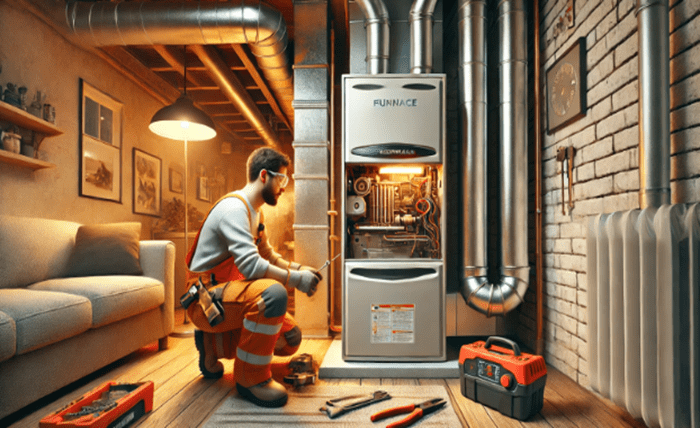
When your furnace stops working, it’s more than just an inconvenience—it’s a big problem, especially during cold weather. According to Golden Properties Management, knowing what can go wrong and how to fix it can save you time, money, and a lot of headaches. In this guide, we’ll dive into the most common furnace issues and how to deal with them without breaking the bank.
Furnace Repair: Troubles You Can Expect and How to Handle Them
Furnace repair https://superiorhvacservice.ca/ doesn’t have to be intimidating. Most problems fall into a few categories, from heating inconsistencies to strange noises. Here’s how you can tackle these issues and keep your home warm and cozy.
1. The Furnace Won’t Turn On
It’s a cold day, and you find that the furnace isn’t kicking in. This could be due to a variety of reasons—maybe the thermostat is off, the pilot light is out, or a breaker has tripped.
Start with the thermostat: make sure it’s set to “heat” and the temperature is higher than the current room temperature. If that’s not the issue, check your circuit breaker and make sure everything is in working order. If you’re dealing with a gas furnace, ensure the pilot light is on; if it’s out, you may need to relight it according to the manufacturer’s instructions.
2. The Heat is Weak
If your furnace is running, but the house is still cold, the problem might be a dirty filter, blocked vents, or even dirty burners. When the air filter is clogged, it can restrict airflow, making the furnace work harder and less efficiently.
Start by changing or cleaning the air filter—it’s a quick and easy fix that often does the trick. You should also check if the vents are open and unblocked by furniture or curtains. If the heat still seems weak, it might be time for a pro to clean the burners and give the furnace a proper tune-up.
3. Short Cycling
Does your furnace keep switching on and off? This frequent cycling isn’t just annoying—it’s also hard on the system. Common reasons include a clogged filter, an improperly calibrated thermostat, or a dirty flame sensor.
Try replacing the air filter first. If that doesn’t help, check the thermostat’s placement; it shouldn’t be located near a heat source or in a drafty area. Sometimes, a dirty flame sensor can cause the furnace to shut down prematurely, and cleaning it might solve the problem.
4. It’s Making Weird Noises
Banging, rattling, squealing—your furnace shouldn’t sound like a haunted house. Each sound usually points to a specific issue. For example, banging could indicate expanding ducts or delayed ignition, while rattling might mean loose components.
If you hear these noises, it’s time to call in a professional. Ignoring them could lead to bigger problems, so it’s best to fix things before they escalate.
5. Pilot Light Problems
Older furnaces use a pilot light, while newer ones have electronic ignition. If the pilot light is flickering, yellow, or keeps going out, it could mean a problem with gas flow or even carbon monoxide buildup. A steady blue flame is what you want to see.
Try relighting the pilot light if it goes out, but if it doesn’t stay lit, it’s best to have a technician take a look. For furnaces with electronic ignition, make sure the igniter is clean and properly positioned.
6. Uneven Heating Around the House
When some rooms are warm and others are freezing, it’s usually not the furnace itself that’s the problem. It could be a matter of poor insulation, leaky ducts, or blocked vents.
First, check that all vents are open and that there’s nothing blocking them. If that doesn’t fix the issue, you might need a professional to check for leaks in the ductwork or suggest better insulation for your home.
7. Your Energy Bills are Skyrocketing
If you notice a sudden increase in your heating costs, it might be time to give your furnace some attention. This could be due to dirty components, an aging furnace, or even poor thermostat settings.
Start with the basics: change the air filter, clean the vents, and ensure the thermostat is working correctly. If your furnace is more than 15 years old, it might be worth considering a more energy-efficient model.
8. Preventing Furnace Problems
You don’t have to wait for something to go wrong before taking action. Regular maintenance can help you avoid most furnace issues. Here’s what you can do:
- Change the air filter regularly, about every 1-3 months, depending on usage.
- Schedule an annual inspection with a heating professional.
- Keep the area around the furnace clean to prevent dust from getting into the system.
- Seal any duct leaks to ensure better heating distribution.
Bottom Line
Furnace repair doesn’t have to be overwhelming. Whether it’s a thermostat problem, clogged filter, or a more serious issue like a faulty blower motor, understanding the common signs of trouble can help you fix problems early. Routine maintenance and quick fixes can keep your furnace running smoothly, ensuring your home stays warm and your wallet stays happy. Don’t wait for a problem to show up—start taking care of your furnace today.