

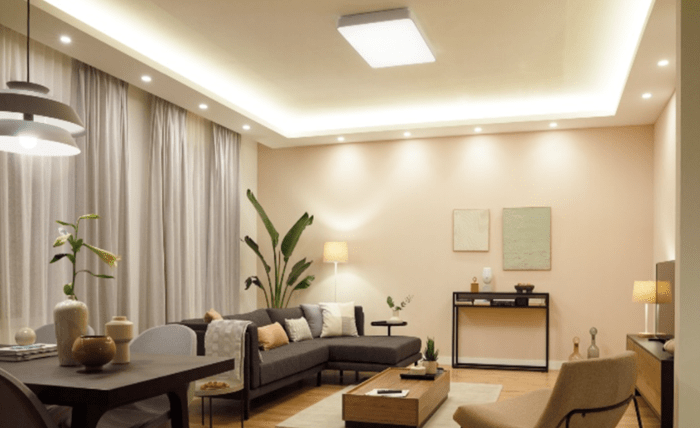
When it comes to creating the perfect living space, one of the most overlooked aspects is lighting. Good residential lighting design can transform your home, enhancing its ambiance and functionality. Whether you’re an interior design enthusiast, a homeowner looking to refresh your space, or a DIYer ready to take on a new project, these room-by-room lighting ideas will help you make informed choices.
Understanding the Importance of Lighting
Lighting affects more than just visibility—it sets the mood, highlights architectural features, and can even influence your well-being. Poor lighting can make a room feel cramped and uninviting, while the residential lighting design can make it feel spacious and cozy. By understanding how different types of lighting work together, you can create a balanced and harmonious environment.
The Living Room
Ambient Lighting
The living room is often the heart of the home, a place for relaxation and socializing. Start with ambient lighting, which provides general illumination. Ceiling-mounted fixtures like chandeliers or recessed lighting work well here. Ensure the light is evenly distributed to avoid shadows.
Task Lighting
Task lighting is essential for activities such as reading, knitting, or playing games. Table lamps and floor lamps placed next to seating areas can provide focused light without overwhelming the space. Adjustable fixtures are ideal for directing light where it’s needed most.
Accent Lighting
Accent lighting adds drama and highlights specific features in your living room. Use wall sconces, track lighting, or LED strips to showcase artwork, plants, or architectural details. Dimmable options can enhance the ambiance by adjusting the intensity based on the occasion.
The Kitchen
Overhead Lighting
Kitchens require bright, even lighting to facilitate cooking and cleaning. Overhead lighting, such as pendant lights or flush-mount fixtures, ensures that the entire room is well-lit. Consider using daylight bulbs for a fresh and invigorating atmosphere.
Under-Cabinet Lighting
Under-cabinet lighting illuminates countertops and makes food preparation safer and easier. LED strips or puck lights are excellent choices, providing bright, shadow-free light. These fixtures can also serve as subtle night lights.
Island and Dining Area Lighting
If your kitchen includes an island or dining area, pendant lights can add both function and style. Choose fixtures that complement your decor and provide ample light for meals and gatherings. Dimmable pendants allow you to adjust the lighting for different activities.
The Bedroom
Soft Ambient Lighting
Bedrooms should be a sanctuary for rest and relaxation. Soft ambient lighting, such as a ceiling fixture with a diffuser, creates a calming atmosphere. Avoid harsh, bright lights that can disrupt your sleep.
Bedside Task Lighting
Task lighting is crucial for reading or other activities done in bed. Table lamps or wall-mounted sconces on either side of the bed offer focused light without disturbing your partner. Look for fixtures with adjustable arms or dimmer switches for added convenience.
Accent Lighting for Coziness
Enhance the coziness of your bedroom with accent lighting. Fairy lights, LED strips under the bed, or backlit headboards can add a touch of magic. These lights also double as gentle night lights without being too intrusive.
The Bathroom
Vanity Lighting
Proper vanity lighting is essential for grooming tasks. Install fixtures on either side of the mirror or an illuminated mirror to eliminate shadows. LED bulbs with a high CRI (Color Rendering Index) ensure that colors appear natural and true.
Shower and Tub Lighting
Safety and relaxation are key in the shower and tub areas. Waterproof recessed lights or wall sconces provide adequate illumination without compromising safety. Consider adding dimmable options to create a spa-like ambiance.
Night Lights
Bathrooms can benefit from subtle night lights for those late-night visits. Motion-sensor LED strips under cabinets or along the floor are practical and prevent harsh wake-up calls.
The Home Office
Bright and Focused Lighting
Home offices need bright, focused lighting to enhance productivity. A combination of overhead lighting and task lamps ensures that your workspace is well-lit. Adjustable desk lamps with LED bulbs help reduce eye strain.
Accent Lighting for Inspiration
Incorporate accent lighting to create an inspiring and motivating environment. Track lighting, wall sconces, or even decorative table lamps can add character to your workspace. Personalize your lighting to reflect your style and keep you energized.
Natural Light
If possible, maximize natural light in your home office. Position your desk near a window to benefit from daylight, which can boost mood and productivity. Sheer curtains can diffuse bright sunlight and reduce glare on screens.
Enhancing Home Ambiance
Layered Lighting
Layered lighting combines ambient, task, and accent lighting to create depth and dimension. This approach ensures that each room is versatile and can adapt to different needs and moods. Experiment with combinations to find what works best for your space.
Smart Lighting Solutions
Smart lighting systems offer convenience and customization. Use smart bulbs and switches to control lighting with your voice or smartphone. Set schedules, create scenes, and adjust color temperatures to match your activities and preferences.
Energy Efficiency
Opt for energy-efficient LED bulbs to reduce electricity consumption and lower your utility bills. LEDs have a longer lifespan and are available in various color temperatures, making them suitable for any room.
Conclusion
Residential lighting design plays a crucial role in enhancing the ambiance and functionality of your home. By understanding the different types of lighting and how to use them effectively, you can create spaces that are both beautiful and practical. Whether you’re revamping a single room or your entire home, these tips will help you achieve the perfect lighting setup.