

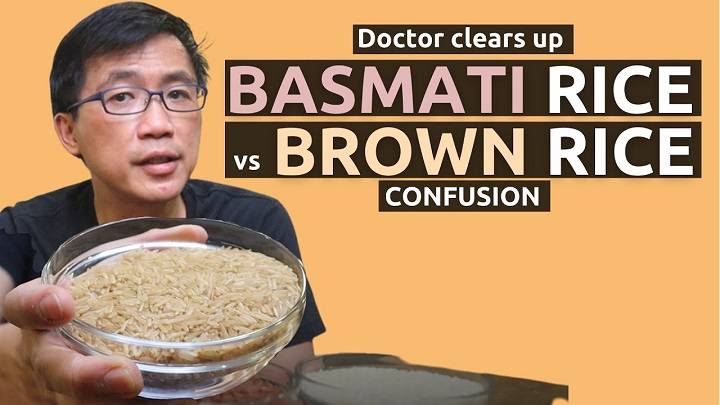
Rice is a staple food for much of the world’s population, and among its many varieties, basmati rice stands out for its distinctive aroma and long, slender grains. However, there’s often confusion about whether basmati rice qualifies as a whole grain. This comprehensive guide will delve into the characteristics of basmati rice, differentiate between white and brown basmati rice, explore the nutritional benefits of whole grains, and provide practical advice on incorporating whole grains into your diet.
Basmati rice is beloved in many cuisines, especially in South Asian dishes, for its unique texture and flavor. When discussing its nutritional value, the term “whole grain” often comes up, leading to questions about whether basmati rice fits this category. This guide will address these questions by examining the differences between whole grain and refined grains, specifically in the context of basmati rice.
Understanding Whole Grains

What is a Whole Grain?
Whole grains consist of three main parts:
- Bran: The outer layer that contains fiber, antioxidants, and B vitamins.
- Germ: The nutrient-rich core that includes vitamins, minerals, protein, and healthy fats.
- Endosperm: The starchy middle layer that provides carbohydrates and protein.
Whole grains retain all three parts, making them more nutritious compared to refined grains, which have the bran and germ removed during processing.
Benefits of Whole Grains
Whole grains offer numerous health benefits:
- High in Fiber: Aids digestion and helps maintain healthy cholesterol levels.
- Rich in Nutrients: Contains essential vitamins and minerals like iron, magnesium, and B vitamins.
- Heart Health: Associated with reduced risk of heart disease.
- Weight Management: Promotes satiety, helping to control appetite and weight.
- Lower Risk of Chronic Diseases: Linked to reduced risk of type 2 diabetes, stroke, and certain cancers.
Basmati Rice: White vs. Brown
White Basmati Rice
White basmati rice is a refined grain. During processing, the bran and germ are removed, leaving only the endosperm. This process extends the rice’s shelf life and gives it a softer, more delicate texture when cooked. However, it also reduces the nutritional content, especially fiber, vitamins, and minerals.
Characteristics of White Basmati Rice:
- Appearance: Long, slender grains with a white, polished look.
- Texture: Soft and fluffy when cooked, with a slightly sticky consistency.
- Flavor: Aromatic and subtly sweet.
Brown Basmati Rice
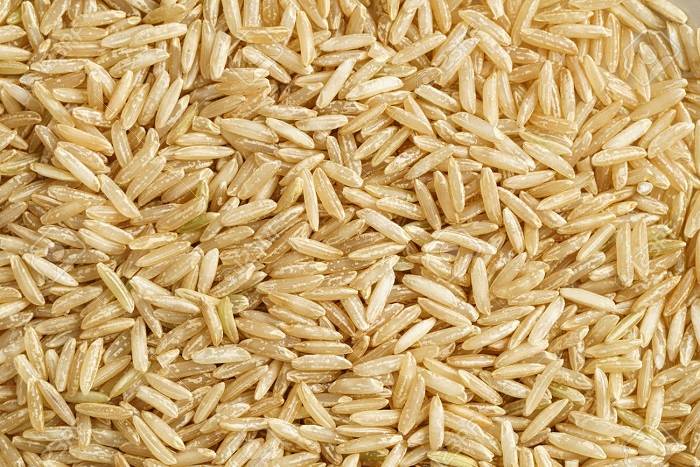
Brown basmati rice is a whole grain. It retains the bran and germ, making it more nutritious than its white counterpart. The bran layer gives it a tan color and a chewier texture.
Characteristics of Brown Basmati Rice:
- Appearance: Long, slender grains with a light brown color.
- Texture: Chewy and slightly nutty, with a firmer bite.
- Flavor: Earthy and aromatic, with a richer taste compared to white basmati.
Nutritional Comparison
White Basmati Rice (1 cup cooked, approximately 158 grams):
- Calories: 205
- Carbohydrates: 45 grams
- Protein: 4 grams
- Fat: 0.4 grams
- Fiber: 0.6 grams
- Vitamins and Minerals: Lower in essential nutrients compared to brown basmati rice.
Brown Basmati Rice (1 cup cooked, approximately 195 grams):
- Calories: 216
- Carbohydrates: 45 grams
- Protein: 5 grams
- Fat: 1.8 grams
- Fiber: 3.5 grams
- Vitamins and Minerals: Higher in B vitamins, magnesium, phosphorus, and antioxidants.
Health Benefits of Brown Basmati Rice
High Fiber Content
The high fiber content in brown basmati rice aids digestion, helps maintain healthy cholesterol levels, and supports weight management by promoting a feeling of fullness.
Rich in Nutrients
Brown basmati rice is rich in essential nutrients such as magnesium, which is important for muscle and nerve function, and phosphorus, which is crucial for bone health. It also contains B vitamins, which play a vital role in energy metabolism.
Lower Glycemic Index
Brown basmati rice has a lower glycemic index compared to white basmati rice. This means it causes a slower, more gradual rise in blood sugar levels, making it a better choice for individuals managing diabetes or aiming to maintain stable energy levels.
Antioxidant Properties
The bran layer of brown basmati rice contains antioxidants that help protect the body from oxidative stress and reduce inflammation, contributing to overall health and disease prevention.
Cooking Basmati Rice
Cooking Brown Basmati Rice
Brown basmati rice requires a longer cooking time than white basmati rice due to its intact bran layer. Here is a simple method for cooking brown basmati rice:
Ingredients:
- 1 cup brown basmati rice
- 2 1/2 cups water
- Pinch of salt (optional)
Instructions:
- Rinse the rice under cold water until the water runs clear to remove excess starch.
- In a medium saucepan, combine the rinsed rice, water, and salt.
- Bring to a boil over medium-high heat.
- Reduce the heat to low, cover, and simmer for 40-45 minutes, or until the water is absorbed and the rice is tender.
- Remove from heat and let it sit, covered, for 5-10 minutes.
- Fluff with a fork before serving.
Cooking White Basmati Rice
White basmati rice cooks faster than brown basmati rice and has a softer texture. Here is a simple method for cooking white basmati rice:
Ingredients:
- 1 cup white basmati rice
- 1 1/2 cups water
- Pinch of salt (optional)
Instructions:
- Rinse the rice under cold water until the water runs clear to remove excess starch.
- In a medium saucepan, combine the rinsed rice, water, and salt.
- Bring to a boil over medium-high heat.
- Reduce the heat to low, cover, and simmer for 15-20 minutes, or until the water is absorbed and the rice is tender.
- Remove from heat and let it sit, covered, for 5-10 minutes.
- Fluff with a fork before serving.
Culinary Uses of Basmati Rice
Dishes with White Basmati Rice
White basmati rice is versatile and pairs well with a variety of dishes, especially those from Indian and Middle Eastern cuisines.
Example: Chicken Biryani
Ingredients:
- 2 cups white basmati rice
- 1 lb chicken, cut into pieces
- 1 large onion, sliced
- 2 tomatoes, chopped
- 1 cup yogurt
- 2 teaspoons ginger-garlic paste
- 1 teaspoon turmeric powder
- 1 teaspoon red chili powder
- 2 teaspoons garam masala
- 1/2 teaspoon saffron strands (optional)
- 4 cups water
- Fresh cilantro and mint leaves, chopped
- Salt to taste
- Ghee or oil for cooking
Instructions:
- Rinse the rice and soak it in water for 30 minutes.
- Heat ghee or oil in a large pot and sauté the onions until golden brown.
- Add the ginger-garlic paste and cook until fragrant.
- Add the chicken pieces and cook until they are no longer pink.
- Stir in the turmeric powder, red chili powder, garam masala, and salt.
- Add the tomatoes and cook until they soften.
- Stir in the yogurt and cook for a few minutes until the chicken is fully cooked.
- In a separate pot, boil the water with a pinch of salt. Add the soaked rice and cook until it’s 70% done. Drain the rice.
- Layer the partially cooked rice over the chicken mixture. Sprinkle with saffron strands, cilantro, and mint leaves.
- Cover the pot tightly and cook on low heat for 20-25 minutes until the rice is fully cooked.
- Fluff the biryani gently before serving.
Dishes with Brown Basmati Rice
Brown basmati rice is ideal for dishes that benefit from its chewy texture and nutty flavor.
Example: Brown Rice Pilaf
Ingredients:
- 1 cup brown basmati rice
- 2 1/2 cups vegetable broth
- 1 small onion, finely chopped
- 1 carrot, diced
- 1 celery stalk, diced
- 1/4 cup raisins
- 1/4 cup slivered almonds
- 1 tablespoon olive oil
- 1 teaspoon ground cumin
- 1/2 teaspoon ground cinnamon
- Salt and pepper to taste
Instructions:
- Rinse the rice and set aside.
- Heat olive oil in a large pot over medium heat. Sauté the onions, carrot, and celery until they are soft.
- Stir in the cumin and cinnamon, and cook until fragrant.
- Add the rice and cook, stirring frequently, for a few minutes until the rice is lightly toasted.
- Pour in the vegetable broth and bring to a boil.
- Reduce the heat to low, cover, and simmer for 40-45 minutes, or until the rice is tender and the liquid is absorbed.
- Stir in the raisins and slivered almonds. Season with salt and pepper.
- Remove from heat and let it sit, covered, for 5-10 minutes.
- Fluff with a fork before serving.
Incorporating Whole Grains into Your Diet

Tips for Adding More Whole Grains
- Start Slowly: Gradually replace refined grains with whole grains to allow your palate to adjust to the new flavors and textures.
- Mix It Up: Combine brown basmati rice with white basmati rice to create a blend that offers both nutrition and familiarity.
- Experiment with Recipes: Use whole grains in a variety of recipes, such as salads, soups, and casseroles.
- Read Labels: Look for products labeled “100% whole grain” to ensure you’re getting the full nutritional benefits.
Benefits of a Whole Grain-Rich Diet
- Improved Digestion: Whole grains are high in fiber, which promotes healthy digestion and regular bowel movements.
- Enhanced Nutrient Intake: Whole grains provide essential nutrients that support overall health.
- Increased Satiety: Whole grains can help you feel fuller longer, aiding in weight management.
- Reduced Risk of Chronic Diseases: A diet rich in whole grains is associated with a lower risk of heart disease, type 2 diabetes, and certain cancers.
Related Post:
How Many Cups in a Gallon? Unraveling the Mystery of Liquid Measurements
Stay Updated: Iowa Women’s Basketball Schedule 2024 – Key Games, Dates & Highlights
Dallas Mavericks vs Clippers: Comprehensive Player Stats Breakdown
Basmati rice, available in both white and brown varieties, offers unique flavors and textures suitable for a variety of dishes. While white basmati rice is a refined grain, brown basmati rice is a whole grain, providing more fiber, protein, and essential nutrients. Understanding these differences can help you make informed choices based on your dietary needs and culinary preferences.
Incorporating whole grains like brown basmati rice into your diet can offer numerous health benefits, including improved digestion, better nutrient intake, and reduced risk of chronic diseases. By using the tips and recipes provided in this guide, you can enjoy the delicious and nutritious benefits of basmati rice in your meals.