

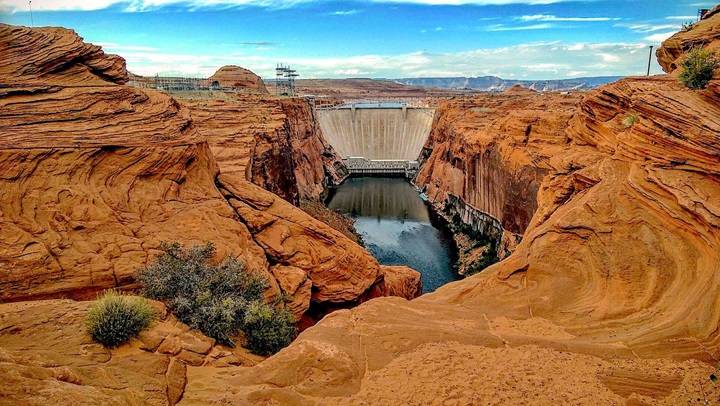
Lake Powell, a majestic reservoir nestled within the rugged landscapes of Utah and Arizona, is renowned for its breathtaking beauty and recreational opportunities. However, beneath its serene surface lies a dynamic and complex system of water levels that significantly impact the region’s ecology, economy, and communities. In this comprehensive guide, we delve into the intricacies of Lake Powell’s water levels, exploring their fluctuations, causes, and consequences.
The Genesis of Lake Powell
Formation: Lake Powell owes its existence to the construction of the Glen Canyon Dam, completed in 1963 as part of the Colorado River Storage Project. The dam’s primary purposes were to provide hydroelectric power, regulate river flow, and store water for agricultural, municipal, and industrial use downstream.
Reservoir Creation: Upon completion, the dam impounded the waters of the Colorado River, creating Lake Powell as the second-largest man-made reservoir in the United States. With a capacity of over 24 million acre-feet, Lake Powell has since become a vital water resource for the arid Southwest.
The Ebb and Flow of Water Levels

Seasonal Variations: Like many reservoirs, Lake Powell experiences seasonal fluctuations in water levels, influenced by factors such as snowmelt, precipitation, and water demand downstream. Typically, water levels peak in late spring and early summer as snowmelt from the Rocky Mountains feeds into the Colorado River system. Conversely, levels decline during the drier months as water is released for irrigation and other purposes.
Long-Term Trends: In addition to seasonal variations, Lake Powell’s water levels exhibit long-term trends shaped by climate patterns, water management practices, and environmental factors. Over the past decades, the reservoir has faced challenges such as drought, increased water demand, and sedimentation, leading to significant fluctuations in its storage capacity.
The Role of Climate Change: Climate change poses a formidable threat to Lake Powell’s water levels, exacerbating existing challenges and introducing new uncertainties. Rising temperatures, altered precipitation patterns, and prolonged droughts are projected to intensify in the region, potentially reducing water inflows and increasing evaporation rates. These climate impacts could further strain the delicate balance of supply and demand within the Colorado River basin.
Managing Water Resources
Hydroelectric Power Generation: One of the primary functions of Lake Powell is to generate hydroelectric power through the release of water from the dam’s turbines. This renewable energy source provides electricity to millions of households and businesses across the Southwest, contributing to regional economic development and energy security.
Water Allocation and Rights: The allocation of water from Lake Powell is governed by a complex system of interstate compacts, federal regulations, and tribal agreements. Water rights holders, including states, municipalities, and Native American tribes, rely on the reservoir for irrigation, municipal supply, industrial use, and environmental conservation. Balancing competing demands while ensuring equitable access to water resources presents a perpetual challenge for water managers and policymakers.
Environmental Considerations: Lake Powell’s water levels also play a critical role in shaping the region’s ecosystems and biodiversity. Fluctuations in water levels influence habitat availability, water quality, and the health of riparian corridors. Additionally, the reservoir serves as a recreational haven for boating, fishing, and wildlife viewing, attracting millions of visitors annually and supporting local economies.
Mitigating Risk and Uncertainty
Adaptive Management Strategies: Recognizing the complex and uncertain nature of water management, stakeholders have implemented adaptive strategies to address changing conditions and risks. These strategies may include flexible reservoir operations, water conservation measures, infrastructure upgrades, and collaborative decision-making processes. By adapting to evolving circumstances, water managers can enhance the resilience of Lake Powell’s water resources and mitigate the impacts of climate variability.
Investing in Resilience: Investments in water infrastructure, research, and innovation are essential for building resilience in the face of climate change and other threats. From modernizing irrigation systems to enhancing water efficiency measures, proactive measures can help safeguard water supplies, ecosystems, and communities reliant on Lake Powell. Additionally, efforts to restore and protect natural habitats can enhance ecological resilience and promote sustainable water management practices.
Lake Powell’s water levels are a dynamic reflection of the complex interplay between natural processes, human activities, and climate dynamics. As we navigate an uncertain future marked by climate change and growing water demands, proactive stewardship and collaboration will be essential for ensuring the resilience and sustainability of this iconic reservoir. By understanding the intricacies of Lake Powell’s water levels and embracing adaptive strategies, we can chart a course towards a more resilient and water-secure future for generations to come.
Navigating Challenges: Addressing the Complexities of Lake Powell’s Water Levels
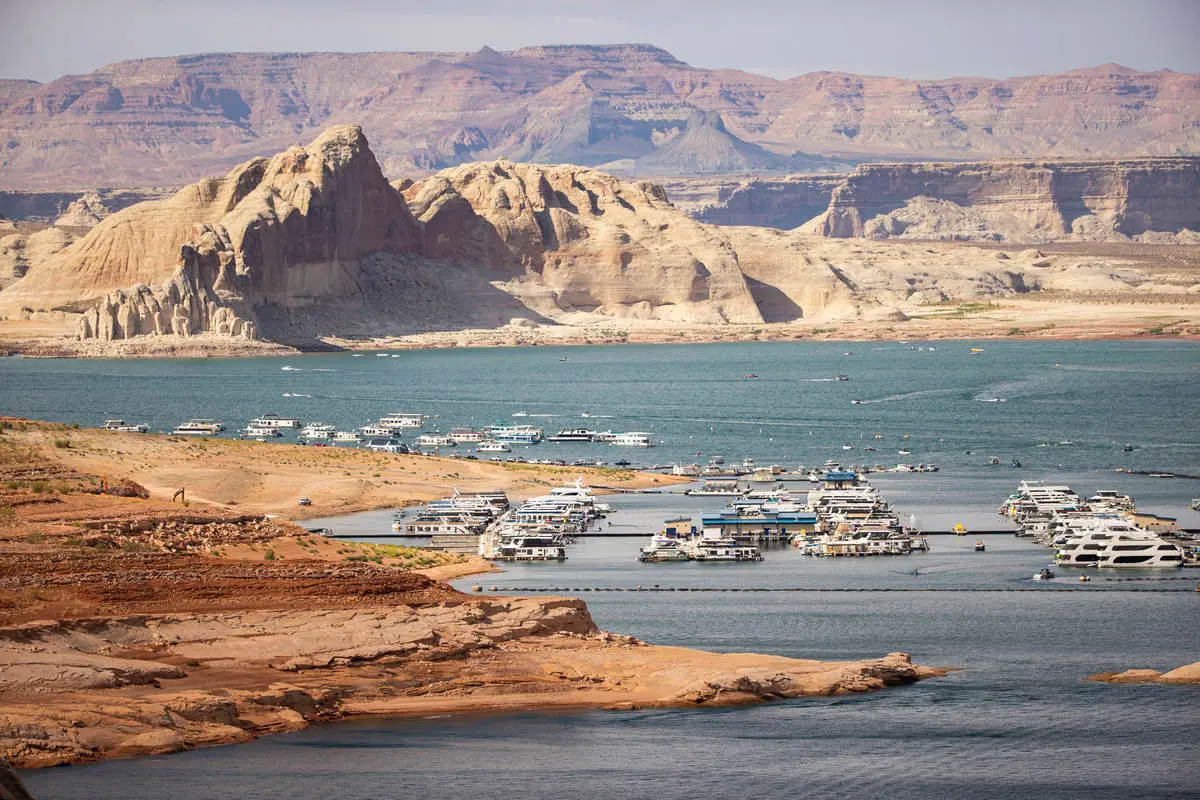
As we delve deeper into the dynamics of Lake Powell’s water levels, it becomes evident that the challenges facing this iconic reservoir are multifaceted and interconnected. From climate change impacts to competing water demands, stakeholders must confront a complex landscape of risks and uncertainties in managing this vital water resource.
Climate Change Impacts and Adaptation
Climate change poses a formidable challenge to the sustainability of Lake Powell’s water levels, with rising temperatures and altered precipitation patterns reshaping hydrological cycles across the region. Projections indicate that the Colorado River basin will face increased water scarcity and variability in the coming decades, exacerbating existing challenges and straining water supplies for millions of people.
In response to these climate impacts, stakeholders are increasingly turning to adaptive management strategies to enhance the resilience of Lake Powell’s water resources. These strategies may include:
-
Enhanced Water Conservation: Implementing measures to reduce water consumption in agriculture, industry, and urban areas can help stretch limited water supplies and minimize the need for additional withdrawals from Lake Powell.
-
Infrastructure Upgrades: Investing in modernized water infrastructure, such as improved irrigation systems and water recycling facilities, can enhance efficiency and reduce losses throughout the water supply chain.
-
Ecosystem Restoration: Restoring degraded habitats and protecting critical riparian corridors can bolster the resilience of ecosystems dependent on Lake Powell’s water flows, supporting biodiversity and ecological integrity.
-
Flexible Reservoir Operations: Adapting reservoir management strategies to changing hydrological conditions and demand patterns can optimize water storage and release schedules, minimizing risks of shortages and maximizing ecosystem benefits.
By embracing these adaptive measures, stakeholders can mitigate the impacts of climate change on Lake Powell’s water levels and enhance the long-term sustainability of water resources in the region.
Managing Water Allocation and Rights
The allocation of water from Lake Powell is governed by a complex legal and regulatory framework involving multiple stakeholders, including states, tribes, and federal agencies. Balancing competing water demands while ensuring equitable access to limited water resources presents a perennial challenge for water managers and policymakers.
Interstate compacts, such as the Colorado River Compact of 1922, allocate water rights among seven basin states based on historical use and anticipated future needs. However, as water scarcity intensifies and population growth continues, tensions over water allocation have escalated, prompting calls for greater collaboration and innovation in water management.
Efforts to address these challenges include:
-
Negotiating Water Sharing Agreements: Collaborative agreements among basin states and stakeholders can help apportion water resources more equitably and transparently, reducing conflicts and promoting cooperation in managing shared waterways.
-
Adopting Adaptive Management Approaches: Flexible, adaptive management approaches can enable water managers to respond proactively to changing hydrological conditions and stakeholder needs, fostering resilience and adaptive capacity.
-
Investing in Water Efficiency: Investing in water-saving technologies, conservation measures, and demand management strategies can help optimize water use and minimize waste, ensuring that limited water resources are used efficiently and sustainably.
By fostering dialogue, cooperation, and innovation, stakeholders can navigate the complexities of water allocation and rights in the Lake Powell region, fostering sustainable water management practices for future generations.
Related Post:
The Ultimate Guide to Ground Turkey Stir Fry: A Healthy and Delicious Meal Option
Black Forest Overnight Oats: A Decadent and Nutritious Breakfast Delight
Delicious and Spooky: Gluten-Free Halloween Treats to Satisfy Every Ghoul and Goblin
As we navigate the complexities of Lake Powell’s water levels, it is clear that proactive stewardship and collaboration are essential for addressing the multifaceted challenges facing this iconic reservoir. By embracing adaptive management strategies, investing in resilience-building measures, and fostering cooperation among stakeholders, we can enhance the sustainability and resilience of Lake Powell’s water resources in the face of climate change and growing water demands. As we chart a course towards a more water-secure future, let us remain committed to preserving this natural wonder for generations to come.