

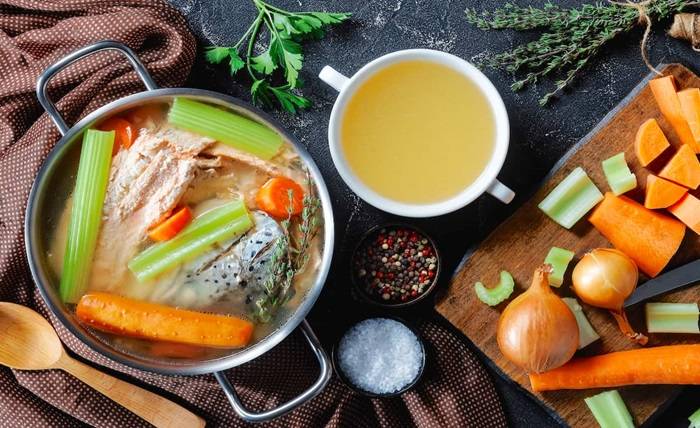
When it’s time to simmer up a hearty beef stew or classic chicken noodle soup, choosing the right pot makes all the difference. Should you pull out your Best Dutch Oven or a tall stock pot? What you plan to cook determines which is better suited for the job.
In this Dutch Oven vs Stock Pot comparison, we’ll examine the key differences between the two, when to use each, and how to pick the best option for stews, chili and other simmering recipes.
Dutch Oven Overview
Dutch ovens are heavy, thick-walled cooking pots made of cast iron, ceramic or other materials with tight-fitting lids. The key features of Dutch ovens are:
- Thick walls retain heat beautifully for slow, even cooking
- Tight sealing lid traps in moisture and heat
- Good conductivity browns meat then finishes cooking gently
- Provides stability for easy handling on stovetop or campfires
- Comes in round or oval shapes with sizes from 1 QT to over 7 QT
Dutch ovens really excel at braising, stewing, baking and roasting tasks thanks to their heat distribution abilities. The enameled cast iron versions provide great heat retention while resisting corrosion.
Stock Pot Overview
Stock pots are tall, open pots designed for boiling liquids and deep cooking tasks. Typical stock pot features include:
- Relatively thin, lightweight walls
- Open design doesn’t hold in heat or moisture
- Often made from stainless steel or aluminum
- Come in larger capacities 6-20+ quarts
- Pouring lips and handles for managed pouring
Their lightweight build and open top allow rapid boiling. Stock pots are ideal for boiling pasta, blanching veggies, simmering stocks and preparing large batches of soup. The material transfers heat rapidly but doesn’t retain it well.
Comparing Dutch Oven vs. Stock Pot for Stews
So when it comes to preparing stews, which pot works best? Here’s how Dutch ovens and stock pots compare:
Heat Retention
Dutch ovens excel at long, slow braising thanks to their thick walls retaining heat. This allows the gentle simmering that tenderizes tough cuts of meat into fork-tender stews. Stock pots heat up quickly but also lose heat rapidly, making it hard to maintain an even simmer.
Moisture Retention
Dutch ovens’ tight-fitting lids seal in the moisture released during stew cooking. The trapped steam helps infuse flavors back into the meat and vegetables. Stock pots’ open design allows liquids to evaporate more rapidly.
Browning
Dutch ovens’ surfaces can get hotter, encouraging the Maillard reaction to deeply brown meat and vegetables. Stock pots often can’t achieve the higher temps needed for effective searing.
Capacity
Stock pots accommodate much larger batch sizes, with some over 20 quarts. Dutch oven capacities max out around 7 quarts for stovetop use. Bigger Dutch oven dishes must cook in the oven.
Ease of Handling
Dutch ovens’ wide base and handles make them easier to manipulate on the stovetop when checking the stew’s progress. Tall stock pots can get unwieldy.
When to Use Each Pot
Given the differences, here are guidelines on when to choose a Dutch oven vs. stock pot:
Dutch Oven Best For:
- Braising tough cuts into tender, flavorful stews
- Cooking moist dishes like rice and risotto
- Simmering chili or Bolognese sauce
- Baking breads and desserts
- Roasting meats and vegetables
- Preparing dishes on the stovetop or campfire
Stock Pot Best For:
- Boiling water for pasta, grains or blanching
- Preparing large batches of stock or broth
- Poaching fish or meats gently in liquid
- Keeping shelled seafood live until cooking
- Making jam or candy recipes
- Canning or preparing food for preservation
- Deep frying larger food items
Tips for Choosing a Stew Pot
Here are some final tips on selecting the right vessel for simmering up the perfect stew:
- Go Dutch oven for richer flavor development thanks to moisture and heat retention
- Choose a stock pot only if cooking over 8 quarts of liquid or food
- Opt for enameled cast iron Dutch ovens for slow-cooked acidic foods like tomato sauce
- Use stainless stock pots for really large batches that require constant heat monitoring
- Pick a size suited to your typical batch needs and burner/oven fit
- Ensure any pot has oven-safe handles if you’ll finish cooking in the oven
While stock pots have some uses, Dutch ovens really shine when it comes to delivering tender, flavor-packed stews. Thanks to their moisture sealing lids and gentle, even heat distribution, a Dutch oven reliably turns out fantastic stew every time.
So next stew night, reach for that hearty Dutch oven to enjoy a perfect home cooked meal. Just be sure to have some crusty bread on hand for soaking up the amazing sauce!
Final Thoughts
Ultimately, whether you choose a Dutch oven or a stock pot for your next stew depends on the size of your batch, your desired cooking results, and your personal preferences. Dutch ovens are ideal for creating rich, flavorful stews with tender meat and vegetables, while stock pots are better suited for larger batches or tasks that require rapid boiling. By understanding the key differences between these two cooking vessels, you can make an informed decision and enjoy delicious, satisfying stews every time.
Seeking relief from sifting through endless kitchen appliance reviews? Kitchen Deals 4U provides a refreshing solution. With honest and unbiased evaluations, their experts cut through the noise and present the highest quality small appliance and kitchen tool reviews. For those aiming to build their dream kitchen, Kitchen Deals 4U has done the legwork, making your journey to a well-equipped and functional kitchen effortless.