

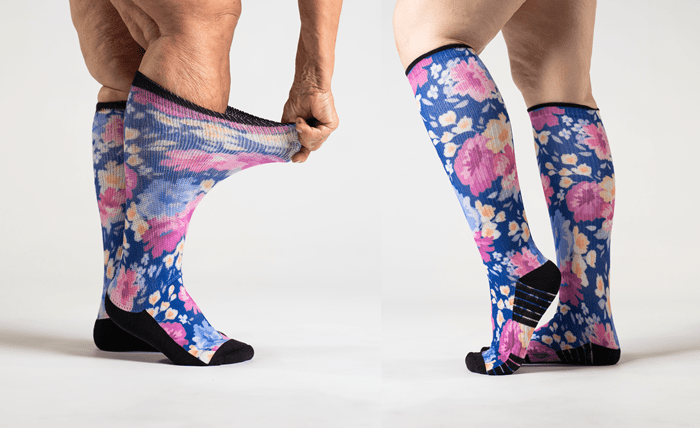
Effective diabetes management goes beyond controlling blood sugar; it involves diligent foot care. Crucial in this aspect are two specialized sock types: non-binding diabetic socks and diabetic compression socks. This article explores their distinctions, advantages, and guidelines for selecting the most suitable kind for individual requirements.
The Impact of Diabetes on Foot Health
Diabetes significantly affects foot health, potentially causing issues like impaired circulation, neuropathy, and increased infection risk. These challenges call for diligent foot care, emphasizing the selection of appropriate socks and footwear. Neglecting diabetic foot care can lead to serious complications, such as ulcers or, in severe cases, amputation. Therefore, choosing the appropriate socks is essential, not just for comfort but as a vital part of health management for diabetics.
Non-Binding Diabetic Socks: Features and Benefits
Non-binding diabetic socks are crafted to ensure comfort without restricting blood flow. Their super stretchy design avoids constricting the skin, preventing discomfort or pressure sores. Made from soft, flexible materials, these socks suit individuals with sensitive feet or those prone to skin problems. The design aims to reduce pressure points, thereby lessening the risk of blisters and sores, particularly concerning people with diabetes.
Diabetic Compression Socks: Functions and Advantages
Diabetic compression socks, on the other hand, provide structured foot care by applying gradual pressure to the feet and lower legs, thereby enhancing circulation. This compression is beneficial for those with circulatory problems, helping to prevent blood pooling, reduce swelling, and avoid varicose veins. These socks are often recommended for people with diabetes who experience swelling, pain, and fatigue or are at risk of deep vein thrombosis. They are popular among active individuals or those with prolonged standing or sitting jobs.
Distinguishing the Two: Core Differences
While both sock types support diabetic foot health, they serve different purposes. Non-binding socks focus on preventing pressure and irritation and are suitable for sensitive or high-risk feet. Compression socks, however, aim to improve circulation and support the lower limbs, depending on the individual’s health needs – sensitivity and irritation versus circulation and support.
Ideal Candidates for Non-Binding Diabetic Socks
These socks are especially helpful for those with sensitive skin, a history of foot ulcers, or frequent swelling. They are also recommended for less active individuals, offering comfort without undue pressure.
Ideal Candidates for Diabetic Compression Socks
These socks are best for individuals with circulation issues, particularly active diabetics, those who spend long periods standing or sitting, and those prone to edema or deep vein thrombosis.
Selecting the Appropriate Sock
When choosing a sock, consider factors like the severity of diabetes-related foot issues, lifestyle, activity level, and medical advice from healthcare professionals. Comfort, fit, and specific foot needs should be the priority in this decision.
Maintenance and Care
Both types of socks require proper care for sustained effectiveness. Regular washing with gentle detergents and avoiding high heat is important to maintain fabric integrity. Regularly inspecting for wear and tear is crucial, as damaged socks can lose their beneficial features.
Conclusion
In managing diabetes effectively, the right choice of socks plays a key role. Brands like Viasox offer a range of compression socks and non-binding diabetic socks to meet diverse foot care needs, ensuring comfort and preventing complications. An informed selection of the right sock type can significantly enhance foot health and overall well-being, marking a crucial step in comprehensive diabetes management.