

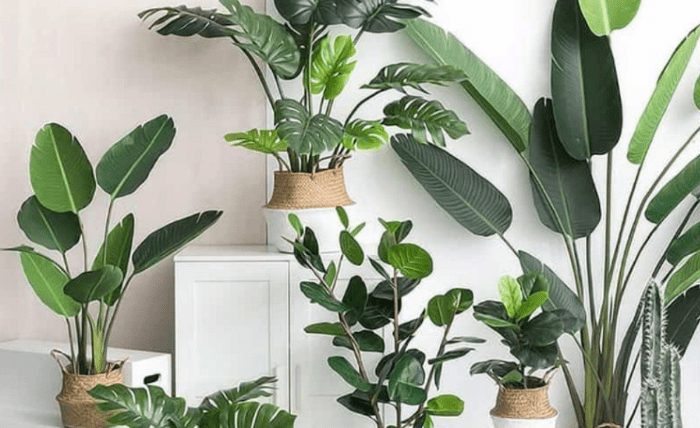
In the world of home and office decor, greenery brings life, vibrancy, and a sense of calm. Plants are universally loved for their ability to freshen up a space, purify air, and enhance mood. However, the choice between real and faux plants often comes with practical questions. Should you go for the beauty of real plants or the convenience of faux ones?
In recent years, faux plants have grown tremendously in popularity—and not just as a last resort for those without a green thumb. Thanks to technological advancements, artificial greenery now looks strikingly real, offers incredible variety, and demands none of the maintenance of live plants. If you’re weighing your options, here are 10 compelling reasons to choose faux over real plants.
1. Zero Maintenance
Real plants require regular watering, sunlight, pruning, fertilizing, and occasional repotting. Miss a watering session, and you might come home to drooping or browning leaves. Faux plants? No such stress. Once placed, they require no care except an occasional dusting.
This makes faux greenery ideal for busy professionals, frequent travelers, or anyone who simply doesn’t have the time or inclination to care for living plants. With artificial floor plants, there’s no watering schedule, no dead leaves to trim, and no emergency plant-sitter needed when you go on vacation.
2. Allergy-Free Living
Many people suffer from pollen allergies or are sensitive to mold and mildew that can grow in potting soil. Real plants can aggravate these conditions, especially in enclosed spaces. Faux plants offer the beauty of greenery without triggering sneezing fits or asthma attacks.
This is especially useful in shared spaces like offices, classrooms, and waiting rooms, where you may not know who has allergies. Faux plants are a safe bet that won’t compromise anyone’s health.
3. Year-Round Beauty
Real plants change with the seasons. Some bloom, some shed leaves, and many go dormant or look sparse in the colder months. Faux plants, however, remain in full “bloom” all year long. Their colors don’t fade, and their shape doesn’t alter.
Whether it’s the peak of summer or the dead of winter, your space can maintain a lush and lively appearance. This makes them a consistent design element for both home and commercial interiors.
4. No Sunlight? No Problem
Many homes, especially apartments and condos, have limited access to natural light. Some rooms may have no windows at all. Most real plants need a specific amount of sunlight to thrive, and insufficient light leads to poor growth or plant death.
Faux plants are completely unbothered by lighting conditions. You can place them in dimly lit hallways, windowless bathrooms, or basement corners where real plants wouldn’t survive. They provide the freedom to decorate any space—sunlit or not.
5. Pet-Friendly Option
Some popular houseplants—like pothos, lilies, and philodendrons—are toxic to cats and dogs if ingested. Pets often nibble on plants out of curiosity, leading to vet visits and serious health issues.
Faux plants remove this danger entirely. Your furry friends can sniff, chew, or play around them without any risk. While you’ll still want to prevent pets from tearing them up, you won’t have to worry about toxicity.
6. Cost-Effective in the Long Run
At first glance, faux plants may seem more expensive than real ones. But when you factor in the ongoing costs of potting soil, fertilizer, tools, replacement plants, and water, real plants can be quite the investment over time.
Faux plants are a one-time purchase. There are no recurring costs, and they don’t “die” on you. High-quality faux greenery can last for years, making them a budget-friendly solution in the long run.
7. Unlimited Design Flexibility
With real plants, you’re often limited by what grows well in your climate and indoor conditions. Certain exotic or tropical plants may not survive in your home environment.
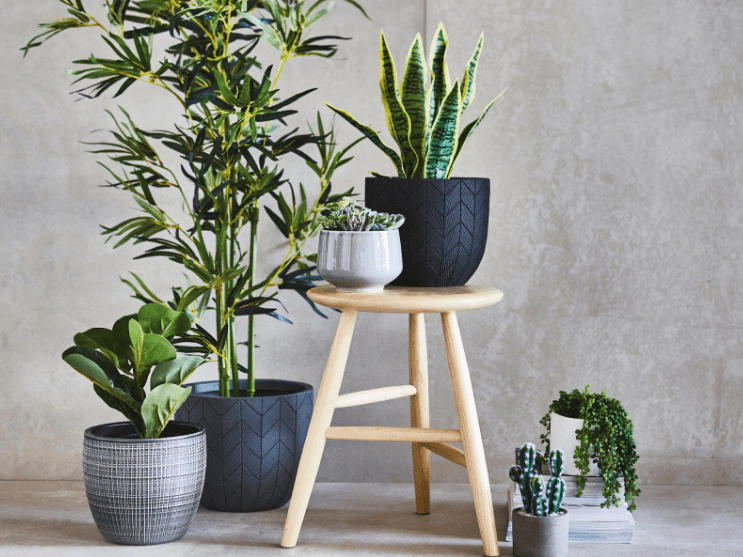
Faux plants open up a world of possibilities. You can enjoy fiddle leaf figs, succulents, snake plants, and monstera leaves—all without worrying about their specific care requirements. Plus, you can shape or bend their stems to fit any arrangement or container, allowing for more creative freedom in your decor.
Want a cherry blossom tree in your living room? Go for it—no need to worry about seasonal shedding or climate compatibility.
8. Travel and Lifestyle-Friendly
For those who travel frequently or live part-time in multiple locations, maintaining live plants is a serious challenge. They require consistent care, and even a few days of neglect can be harmful.
Faux plants are perfect for nomadic or seasonal lifestyles. You can leave for weeks or months and return to find your “greenery” looking exactly the same. No wilting, no yellowing, no guilt.
They’re also ideal for vacation homes or Airbnbs, where live plants might suffer from inconsistent care between guest stays.
9. Child-Safe and Durable
Toddlers and young children love to explore with their hands—and mouths. Live plants, soil, and fertilizers can pose risks. Faux plants, on the other hand, offer a safer alternative for families with small children.
Additionally, faux plants are generally more durable. You don’t have to worry about a ball knocking over a pot or a curious toddler yanking on leaves. With high-quality faux options, durability meets design.
10. Eco-Conscious Choices Are Now Available
There was a time when faux plants were made from cheap, unsustainable plastics. Today, many manufacturers use eco-friendly materials like recycled plastics, biodegradable bases, or sustainably harvested paper for realistic leaves.
By investing in high-quality faux plants made from responsible materials, you can minimize environmental impact while avoiding the waste of repeatedly buying and discarding real plants that don’t survive. When chosen thoughtfully, faux plants can align with a sustainable lifestyle.
Final Thoughts: Style Without Sacrifice
There’s no denying the charm and vitality of real plants. But they’re not for everyone. Whether you’re too busy, live in low light, or simply want a hassle-free way to bring green into your space, faux plants are a smart, stylish solution.
The stigma around artificial plants is quickly fading as modern faux options become incredibly realistic and thoughtfully designed. They’re no longer the plastic eyesores of the past—instead, they offer a practical, versatile, and beautiful alternative for modern living.
So if you’ve been on the fence, consider starting with just one faux plant. Place it where a real plant wouldn’t survive—like your bathroom shelf or a dark hallway. You might just find yourself slowly replacing the rest.