

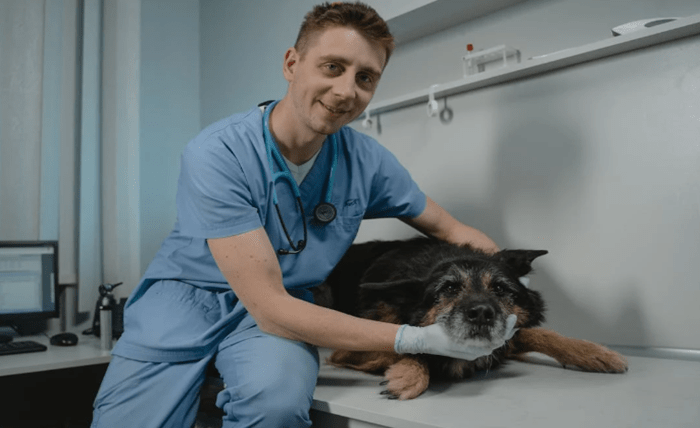
Going to the vet is a regular part of caring for your dog, but for many pet owners, it’s also one of the most stressful. Dogs often show signs of fear before they even get in the car. Shaking, whining, and hiding are just a few of the ways dogs react when they know what’s coming.
This anxiety can make the experience harder for both you and your dog.
Fortunately, there are things you can do to ease this stress. Small changes in how you prepare and how you manage the visit can lead to big improvements in how your dog feels. Here’s how to make those visits more manageable for both of you.
Start with Short Practice Trips
If your dog only rides in the car to go to the vet, they may start to associate the car with something negative. You can change that by making short, positive trips together. Start by just sitting in the parked car with your dog for a few minutes. Offer a treat and lots of praise. Over time, take short drives around the block. These small steps help your dog learn that car rides don’t always mean stress.
Once your dog seems more comfortable in the car, consider driving to the vet’s office without going inside. Let them sniff around outside and then go back home. Doing this a few times builds a routine that feels less threatening. The goal is to help your dog get used to the process in small, calm stages.
Try a Comfortable Ride for Nervous Dogs
If your dog feels nervous during the walk from the car to the clinic, consider using tools that provide comfort and safety. For small or medium dogs, a luxury pet stroller can be very helpful. It keeps them secure and gives them a cozy spot to rest. It also reduces their contact with unfamiliar animals and people in the waiting area.
Look for a stroller with good ventilation, sturdy wheels, and enough room for your dog to lie down. Some designs also come with storage for treats and supplies, making the visit easier for you too.
Use a Calm Voice and Body Language
Your dog watches you closely and picks up on your emotions. If you seem tense or upset, your dog is likely to feel the same way. That’s why it helps to stay calm and relaxed throughout the process. Speak in a soft, steady voice and move slowly when handling your dog. Even simple things like petting your dog in a calm, reassuring way can help them feel safer.
Try to keep your energy level steady. Avoid rushing through the process. Give your dog a few moments to adjust at each stage—getting into the car, walking into the clinic, and entering the exam room.
Bring a Favorite Toy or Blanket
A familiar item from home can offer comfort in unfamiliar settings. If your dog has a favorite blanket or soft toy, bring it along. The scent and feel of something they know can help them feel more secure. Place it in their crate or keep it with you during the visit. If allowed, bring it into the exam room, too.
This small step may not seem like much, but it can have a big impact. Familiar smells signal safety to your dog. In a space filled with new people, animals, and sounds, a trusted item can help them stay grounded.
Use Treats to Build Positive Associations
Treats are one of the easiest tools to help your dog feel better about going to the vet. Start by giving your dog a few treats before leaving home. Offer more during the car ride and again in the waiting area if your dog stays calm. Use small, high-value treats your dog doesn’t usually get. This makes them more exciting and effective.
Keep rewarding your dog throughout the visit—after checking in, during the exam if allowed, and again when leaving. Over time, your dog may begin to associate vet visits with good things instead of fear. Be sure to give praise along with the treats to reinforce the behavior you want.
Keep Waiting Room Time to a Minimum
Many dogs get nervous around other animals. Loud sounds and strange smells in the waiting room can make things worse. One way to help is by cutting down the time spent there. When you arrive, call the front desk and ask if you can wait in the car until the vet is ready. Most clinics allow this option now.
If you do have to wait inside, try to sit in a quiet corner away from other pets. Keep your dog close to you. Stay calm and avoid letting them interact with other animals, which might raise their stress levels. The less time spent in a crowded space, the better your dog will feel.
Talk to Your Vet About Calming Options
Some dogs need extra help to stay relaxed. If your dog is still anxious even with preparation, speak to your vet. They can recommend calming options based on your dog’s needs. These might include natural supplements, calming sprays, or prescription medicine for severe anxiety.
It’s important not to guess or use over-the-counter products without checking first. Some items are not safe for all dogs. Your vet can help you choose the right option and explain how and when to use it. This support can make the visit safer for both your dog and the staff.
End Every Visit With a Positive Activity
How the visit ends matters just as much as how it begins. After the checkup, reward your dog with something they enjoy. This could be a walk in the park, playtime at home, or a special treat. Make the end of the visit feel like a reward. This helps balance out any stress your dog may have felt.
When dogs start to connect vet visits with something fun afterward, their anxiety can decrease over time. It’s a simple step, but it helps build trust and makes future visits easier.
Helping your dog feel less anxious about vet visits is possible. It takes some planning and patience, but the results are worth it. By creating positive experiences before, during, and after each visit, you can make the process smoother and less scary for your dog. Short trips, calming tools, treats, and safe equipment all play a role in reducing fear. Talk to your vet if extra help is needed. Every dog is different, so finding what works best for yours is key. In the end, fewer struggles at the clinic mean better care for your dog and less stress for you.