

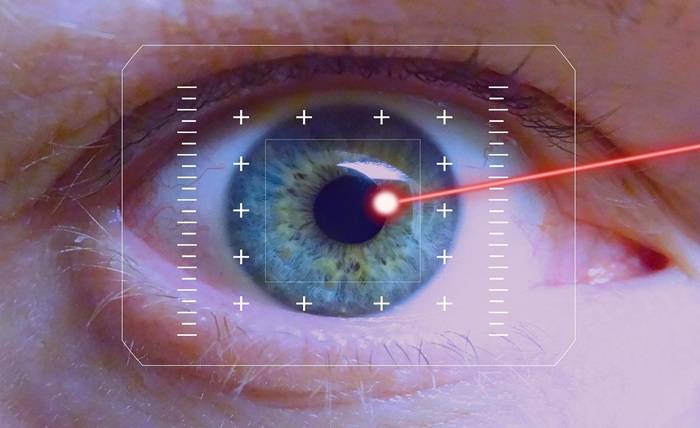
Where vision is the problem, LASIK has been the dominant surgery for years. More recently again, less invasive is a procedure called SMILE (Small Incision Lenticule Extraction) now available as an acceptable alternative. If you are going to have corrective eye surgery done, information about differences between, advantages of, and possible limitations of either will be helpful to your choice. And here is what you should know about SMILE and LASIK to make your choice.
Learning LASIK Surgery
LASIK (Laser-Assisted in Situ Keratomileusis) could be the most common corrective eye surgery. LASIK represents the concept of corneal reshaping through the use of a laser, thus eradicating refractive flaws like nearsightedness, farsightedness, and astigmatism. The procedure usually begins by making a thin flap over the cornea that is folded to provide room for the laser to reshape the inner corneal structures.
Advantages of LASIK are short recovery times, minimal discomfort, and extremely predictable results. Most patients are seeing clearly in one to two days post-surgery. Complications of LASIK do occur as well. Dry eyes, glares, and halos around lights in the night are possible side effects but are typically temporary.
Though successful in most cases, LASIK is not suitable for everyone. People with thin corneas, dry eyes, or other health issues are likely not the best candidates for LASIK.
What Makes SMILE Different?
SMILE is a new approach to vision correction surgery. It is a less invasive procedure carried out with a laser to reshape the cornea but with a difference. In contrast to creating a corneal flap as in LASIK, SMILE makes a smaller incision through which a thin disc-shaped piece of the cornea is dissected out. It assists in preserving the structural strength of the cornea, reducing complications, and also promotes quicker healing.
One of the biggest advantages of SMILE is less risk of dry eyes compared to LASIK because fewer corneal nerves are transected during surgery. SMILE further is less traumatic overall and features a slightly smaller incision of about 2-4 mm compared to the incision size for LASIK. This potentially leads to greater biomechanical stability of the cornea after the surgery. SMILE also, however, comes with some disadvantages. It’s newly cleared for nearsightedness correction and astigmatism correction, so it’s not as multipurpose as LASIK in fixing a variety of types of refractive flaw.
Moreover, while SMILE results are usually superior, its accuracy in offering ideal vision correction is slightly inferior to that of LASIK. Adjustment procedures could need to be undertaken in some individuals after surgery in order to produce the effect they want.
Deciding Between SMILE and LASIK
While deciding between LASIK and SMILE, your personal vision, lifestyle, and medical requirements need to be of top priority. If you decide to have a faster procedure with fewer dry eye complications, faster recovery, then you need to go for SMILE. Otherwise, LASIK can still remain the gold standard for more higher-order refractive errors with better accuracy and flexibility.
You need to take an opinion from a seasoned refractive surgeon, such as those from IQ Laser Vision, while making this decision. They will take your corneal thickness, prescription, and eye health into account and determine which is best for you. And the healing time, cost, and complications of each type and determine which one best meets your needs.
Which Procedure is Right for You?
Both SMILE and LASIK are excellent vision correction surgery with different strengths and weaknesses. Although LASIK is the go-to because it is so versatile and has such a long history of success, SMILE offers a good option for those who would prefer something less invasive.
Lastly, the “better” one is up to your own situation and needs. Discuss with your ophthalmologist and calculate your choices to determine how each treatment will meet your eyesight needs and allow you to have clear, stable, and hassle-free vision.