

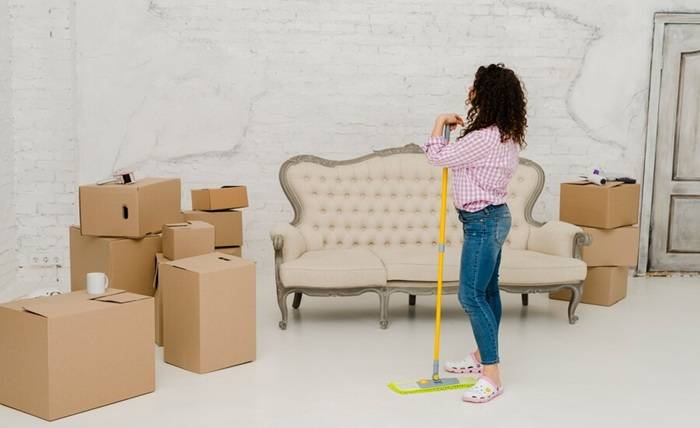
House cleaning is more than a mundane chore or annoying task on your weekend to-do list. It’s a reflection of your state of mind, your priorities, and, interestingly enough, your relationship with your space. But have you ever wondered why some people feel elated organizing closets while others don’t mind living in chaos? Or why scrubbing the kitchen counters can suddenly feel therapeutic after a long week?
This isn’t your regular how-to guide on keeping your house spotless. Instead, we’re going to take a deep look into the emotions, science, and even culture behind house cleaning and home organization. By the time you finish reading this, you might just see your cleaning routine in a whole new light.
Why House Cleaning Goes Beyond the Surface
Cleaning up isn’t just about a tidy house; it’s about decluttering your mind. Studies have repeatedly shown that physical clutter contributes directly to stress, anxiety, and even decreased productivity. A 2011 study published in the Journal of Personality and Social Psychology found that women who described their homes as messy were more likely to be depressed and fatigued compared to those who called them restorative or organized.
For many, house cleaning is also an act of taking control. Perhaps you can’t make sense of everything going on in your life, but you can control how sparklingly clean your kitchen sink is. At its heart, cleaning is a ritual of creating order in a chaotic world. That’s why sweeping floors or wiping mirrors feels more satisfying than it should be.
And then there’s the happiness hit. Yes, researchers have linked the act of cleaning to a boost in endorphins, aka the “feel-good” chemicals. Your brain rewards you for completion, and there’s something innately satisfying about seeing an organized pantry or a freshly vacuumed carpet.
The Different Archetypes of Cleaners
Not all cleaners approach a mess the same way. Understanding these archetypes can actually make cleaning more enjoyable (or at least tolerable).
The Stress Cleaner
People in this category often turn to cleaning as a coping mechanism during stressful moments. They scrub tiles with fervor when they’re upset or busy their hands with folding laundry to unwind emotionally. For them, house cleaning is therapy more than a necessity.
The Avoidance Cleaner
This type might resonate with you if you’ve found yourself deep-cleaning the bathroom to avoid working on a difficult project. Cleaning, in this case, becomes a productive outlet for procrastination.
The Reluctant Cleaner
These are individuals who absolutely detest cleaning but can’t escape the inevitability of it. They might hold off until they’ve run out of clean dishes or socks. Reluctant cleaners often need extra motivation, like a reward system or music playlists, to get started.
The Perfectionist Cleaner
This group takes cleaning to the next level. They might spend hours organizing their bookshelves alphabetically or scrubbing every corner until it shines. While the results are often impeccable, perfectionist cleaners might find themselves stuck in a never-ending cycle of “improving” their space. For those seeking equally meticulous results without the burnout, services like House Cleaning Austin provide professional-level precision with less emotional toll. Outsourcing helps perfectionists maintain high standards while freeing up their time and mental energy for other priorities.
Cultural and Historical Perspectives on Cleaning
Did you know that cultural background plays a role in how we view house cleaning? For instance, in Japan, the concept of “cleaning” extends far deeper than just physical tidiness. It’s viewed as a cleansing process related to mindfulness and spiritual wellness. That’s why practices like Marie Kondo’s “spark joy” philosophy have global appeal.
Contrast this with Western cultures, where cleaning is often seen more as a chore than a meaningful practice. But even this mindset is changing. The rise of minimalist lifestyles and sustainable living is prompting a shift in how we approach organization and clutter.
It’s also interesting to note that cleaning trends have evolved. Decades ago, home organization was deeply tied to domestic roles and societal expectations. Today, as routines and lifestyles evolve, so does how we clean. The rise of tools like robotic vacuums and easy-to-follow organization content on platforms like TikTok has transformed cleaning into a modernized—even trendy—activity.
The Role of Home Organization in Productivity
Beyond cleanliness, home organization and its connection to productivity deserve a deep dive. Ever heard of the saying, “A cluttered desk is a cluttered mind?” It turns out there’s a lot of truth to that. A study from the Princeton Neuroscience Institute found that visual clutter competes for your attention, making it harder to focus on tasks.
When your home is organized, your mind has fewer distractions, allowing you to be more efficient and focused. Start small. Something as simple as decluttering your desk or sorting through your fridge can lead to an immediate sense of accomplishment, which then spills over into other tasks.
Pro tip for those multitasking entrepreneurs or busy parents out there? The way you organize your home can also help you save time. Grouping like items together, labeling storage bins, or even applying the “one-minute rule” (if it takes a minute, do it now) can build habits that change your day-to-day operations.
Community Connection and Cleaning Support
Ever noticed that certain cities have their own home-cleaning culture? For example, in a vibrant place like Texas, House Cleaning Austin is not just about getting help scrubbing floors. Services are centered around creating a personalized experience for customers, focusing on trust, efficiency, and tailoring services to fit busy lifestyles. For many, joining forces with professional cleaners is a stress-free way of maintaining both productivity and peace of mind.
Even beyond professional help, the rise of online forums and platforms dedicated to cleaning has driven a sense of community around the activity. From Reddit groups like “r/CleaningTips” to influencers sharing their daily cleaning routines, cleaning is stepping into the spotlight as a group activity, not a solo burden. Who knew tidying up could double as a conversation starter?
How to Make Cleaning Genuinely Enjoyable
If cleaning feels like the furthest thing from joy for you, switching up your approach may help. Here are some unconventional ways to turn chores into something more enjoyable:
- Create cleaning playlists with upbeat songs.
- Turn it into a competition (e.g., time yourself to see how fast you can finish).
- Use aromatherapy cleaning products that leave your home smelling like a luxury spa.
- Break it into smaller, manageable tasks so it doesn’t feel overwhelming.
- Reward yourself with something fun after finishing (even if it’s just watching your favorite episode on Netflix guilt-free).
Ultimately, the goal isn’t perfection; it’s creating a home environment that brings you peace, energy, and comfort. Cleaning and organization aren’t just about tidying up your house. They’re about clearing your mind, boosting productivity, and finding moments of happiness in the mundane.
From Chores to Empowerment
House cleaning Austin isn’t just something you check off your to-do list. It’s a conversation with yourself about what matters, both physically and mentally. Whether you’re stress-cleaning after a tough week or basking in the glow of a neatly arranged bookshelf, the act of cleaning is as complex as it is fulfilling.
Want to take your love (or at least tolerance) of cleaning and organization to the next level? Explore services near you or browse more resources on staying productive and clutter-free. Remember, the state of your space reflects the state of your mind. Keep it intentional, keep it balanced, and most importantly, keep it you.