

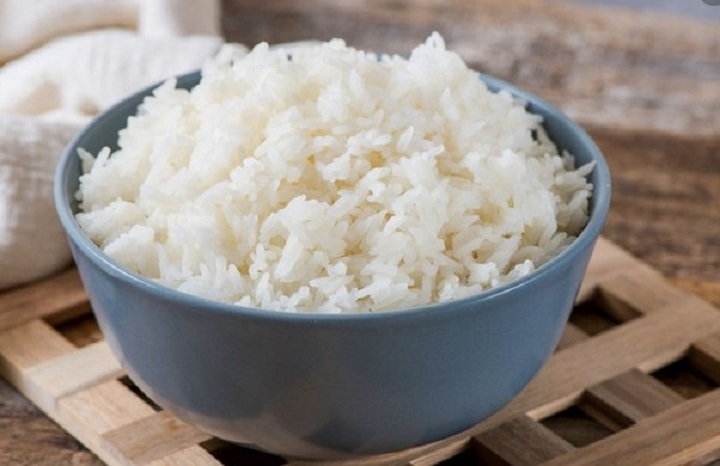
Rice is a staple food in many cultures and is used in a variety of dishes, from everyday meals to special occasions. Whether you’re cooking for one person or preparing a large meal, knowing how many cups of rice are in a pound can be helpful. This article explores the conversion between pounds and cups of rice, the different types of rice, and tips on how to measure rice accurately.
Understanding Rice Measurements
Before we dive into the specifics of how many cups are in a pound of rice, it’s important to understand that the type of rice and the way it’s measured can affect the conversion. Rice can be measured by weight (pounds) or by volume (cups), and the type of rice, whether it’s uncooked or cooked, will influence the amount you need.
Types of Rice and Their Variations
The type of rice you are using plays a key role in the measurement. There are many different varieties of rice, and each one may have a different weight-to-volume ratio. Some common types include:
- Long-Grain Rice: This type of rice is usually light and fluffy when cooked. It’s ideal for dishes like pilafs and salads.
- Short-Grain Rice: Short-grain rice is more sticky and is commonly used for sushi or in Asian cuisine.
- Brown Rice: Brown rice is a whole grain with the outer layer intact, making it a healthier option. It has a chewier texture than white rice.
- White Rice: This is the most common type of rice, with the bran and germ removed, leaving only the starchy endosperm.
Each type of rice has its own density, which affects how much rice fits into a cup.
How Many Cups of Rice in a Pound?
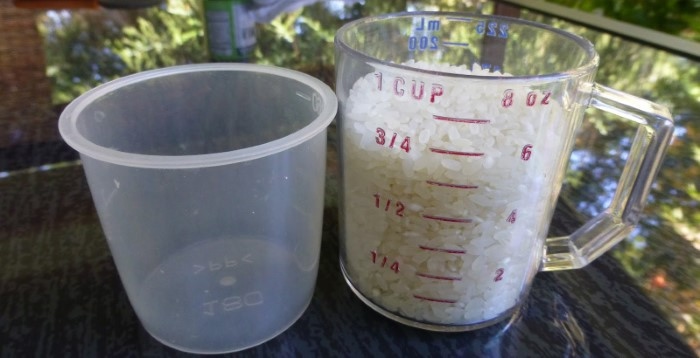
In general, a pound of dry, uncooked rice is approximately equivalent to 2.5 to 3 cups. However, this can vary depending on the type of rice.
Long-Grain White Rice
- 1 pound of long-grain white rice is roughly 2.5 cups.
- Since long-grain rice is less dense, it takes up more space by volume, resulting in a slightly lower cup measurement per pound.
Short-Grain White Rice
- 1 pound of short-grain white rice is about 2.25 cups.
- Short-grain rice is slightly denser than long-grain rice, so you get fewer cups per pound.
Brown Rice
- 1 pound of brown rice is typically 2.5 to 2.75 cups.
- Brown rice is heavier than white rice due to its outer bran layer, but it still follows a similar conversion as white rice.
Converted Rice
- 1 pound of converted rice, which has been parboiled to retain nutrients, is approximately 2.5 cups.
- This rice has a bit more moisture content, which can affect how much it weighs and the final cup measurement.
Factors That Affect the Measurement
Several factors can influence how many cups of rice you get per pound. These include:
Rice Grain Size
As mentioned earlier, the size of the rice grains can impact the amount you get in a pound. Long-grain rice tends to be fluffier, so it takes up more volume than short-grain rice.
Moisture Content
The moisture level in the rice can also affect the weight-to-volume ratio. Drier rice will weigh less by volume, while moister rice will weigh more. This is why freshly harvested rice may measure differently than older rice, even if they are the same variety.
Packaging
Sometimes, rice packaging can make a difference in how it’s measured. For example, rice that has been processed, cleaned, or enriched may have slightly different volume measurements than rice that hasn’t undergone such processes.
Tips for Measuring Rice Accurately
Here are some tips to ensure you’re measuring your rice accurately:
Use a Kitchen Scale
For the most precise measurements, consider using a kitchen scale. This will give you the exact weight of your rice, eliminating any confusion caused by varying cup sizes or types of rice.
Use the Right Measuring Cup
If you don’t have a scale, make sure to use the proper measuring cup. Standard measuring cups (8 ounces) are usually the best for measuring dry ingredients, but be sure to fill the cup evenly without overpacking it.
Consider Uncooked vs. Cooked Rice
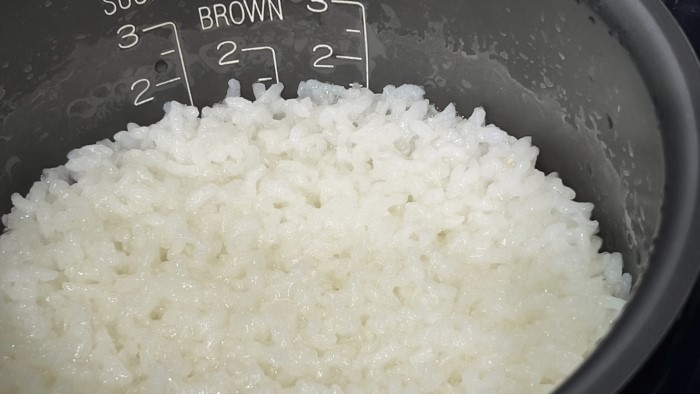
It’s important to note that the conversion discussed here applies to uncooked rice. Once rice is cooked, it expands significantly and changes its weight-to-volume ratio. Generally, 1 cup of uncooked rice yields about 3 cups of cooked rice.
How to Cook Rice Perfectly
Now that you understand how many cups of rice are in a pound, it’s important to know how to cook it properly. Here are the basic steps for cooking rice:
Rinse the Rice
Rinsing rice helps remove excess starch, which can make it sticky. This is especially important for long-grain rice varieties.
Measure the Water
A general rule of thumb for cooking rice is a 1:2 ratio of rice to water. For instance, for every cup of rice, you need 2 cups of water.
Bring to a Boil
Add the water and rice to a pot, bring it to a boil over medium-high heat.
Reduce Heat and Simmer
Once it starts boiling, reduce the heat to low, cover the pot, and let it simmer for about 15-20 minutes, depending on the type of rice.
Let It Sit
After cooking, let the rice sit for about 5-10 minutes to absorb any remaining moisture. Fluff the rice with a fork before serving.
FAQs
How many cups of rice are in 2 pounds?
For long-grain rice, 2 pounds is roughly 5 to 6 cups of rice. For brown rice, the measurement would be slightly different, approximately 5 to 5.5 cups.
How much does 1 cup of rice weigh?
One cup of uncooked rice weighs about 6.5 to 7 ounces, depending on the type.
How many cups of rice are needed for 4 people?
For 4 people, you’ll need about 2 cups of uncooked rice, which will yield approximately 6 cups of cooked rice.
Can I use a measuring cup to weigh rice?
Yes, you can use a measuring cup, but for the most accurate measurement, a kitchen scale is preferred.
Does the type of rice affect how much I need to cook?
Yes, different types of rice have different cooking times and water-to-rice ratios. For instance, brown rice requires more water and takes longer to cook than white rice.
Understanding how many cups of rice are in a pound can simplify meal planning and help you make sure you’re using the right amount of rice for your recipes. Whether you’re cooking long-grain rice, brown rice, or short-grain rice, knowing these measurements ensures that you’ll achieve the perfect balance of rice and water for your dish. By following the tips and cooking guidelines outlined here, you can cook rice with ease and precision every time.