

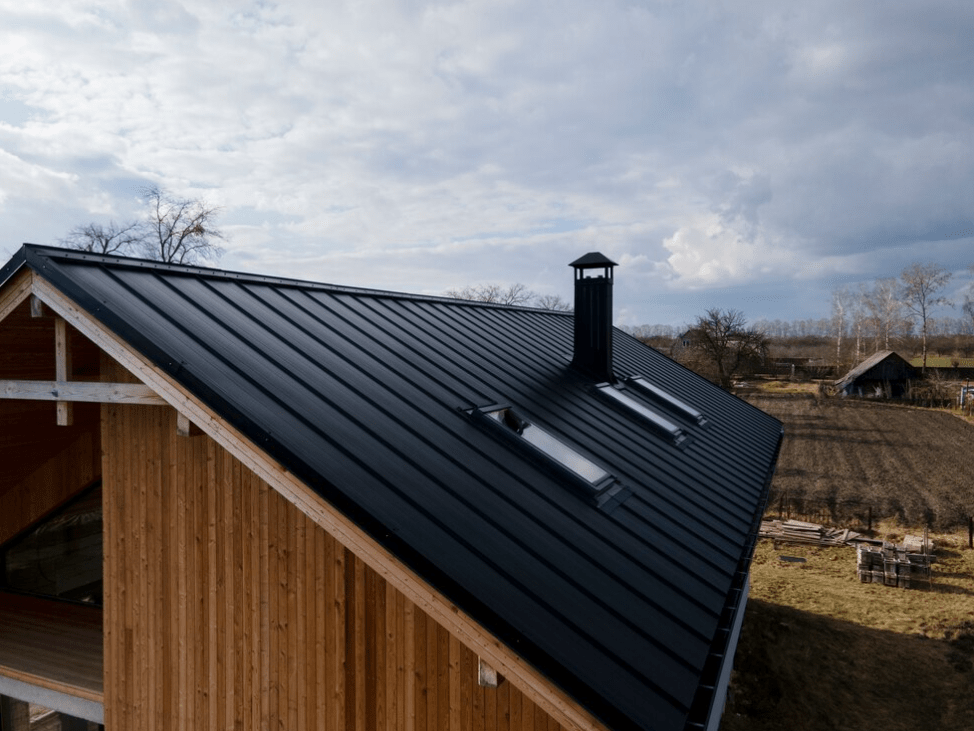
The thickness of a metal roofing sheet plays an important role in how well a roof performs over time. Every construction project has its own structural needs, and selecting the correct sheet thickness supports those needs effectively. From the roof’s appearance to how it handles weight and weather, the gauge chosen influences several key aspects.4
Choosing the right thickness ensures a stable and reliable roofing system that fits the design and purpose of the building. Roofing sheet metal comes in a variety of thickness levels, each designed to meet different project goals. The ideal option depends on several factors, including the type of property, environmental exposure, and the specific requirements of the structure.
Gauge Levels and Their Role
Sheet thickness is measured in gauge, with a lower number indicating a thicker sheet. For example, 22-gauge sheets are thicker than 29-gauge sheets. The gauge needed is based on the roof’s structure and design, especially when there are specific support or shape needs involved. Thicker sheets generally offer a different profile and level of strength than thinner ones.
Once the building plan is in place, the selected gauge should stay consistent across the roof. This keeps the balance right and prevents gaps in coverage or structural flow. Matching the thickness based on the size and shape of the area benefits every part of the roof.
Considering Environmental Conditions
Environmental conditions affect how the metal reacts once installed. Buildings located in areas that face more exposure to natural elements should have sheets that align with those surroundings. The heat, moisture, and seasonal changes in a region can guide which thickness will work well across different times of the year.
Metal roofing sheet should be matched to the level of exposure it will receive. Sheets installed in dry, calm zones may not need the same build as those used in regions with variable or intense climate patterns. Paying attention to this helps maintain the roof’s surface and structure.
When considering the right thickness for your metal roofing, it’s crucial to evaluate factors such as climate, building structure, and budget. Thicker sheets offer better durability and insulation, making them ideal for areas with harsh weather conditions. However, they can be more expensive and challenging to install. On the other hand, thinner sheets are more cost-effective and easier to handle but may not provide the same level of protection. If you’re unsure about the best option for your specific needs, it’s advisable to consult with a professional. You can get in touch with experts who can guide you through the selection process and ensure you make an informed decision tailored to your requirements.
Building Type and Expected Load
A building’s function influences which sheet thickness works best. Thicker sheets are typically chosen for roofs expected to carry extra features or experience more structural activity. The load each section will support should be reviewed to ensure long-term stability and safety.
Some factors to consider when selecting based on load include:
- Equipment installations that stay mounted on the roof for long periods
- Design plans involving rooftop walkways or maintenance access
- Large roof spans that require stronger material to prevent bending
Budget and Planning Details
The budget affects which metal sheet thickness fits the project. Thicker sheets cost more but offer added strength. Thinner ones are more affordable and easier to install. The choice should match the budget without cutting corners.
It helps to think ahead. If the roof might hold extra features later, pick a thickness that can support them. A well-chosen sheet avoids future changes and keeps the structure steady over time.
Where to Look for the Right Materials
Finding the right sheet thickness is easier when the material options are easy to understand. Some companies focus on metal roofing and make it simple to explore different gauges, finishes, and sizes. They include helpful details, so it’s easier to compare what’s available and choose what fits the project best. These companies are useful for getting a clear idea of what’s out there without feeling overwhelmed.
The thickness of the roofing sheet in metal affects the strength and function of the roof. The right gauge depends on the building type, layout, and climate. Every project has different needs. Choosing carefully helps the roof stay strong and last longer. A well-matched thickness keeps the structure steady and meets its purpose.