

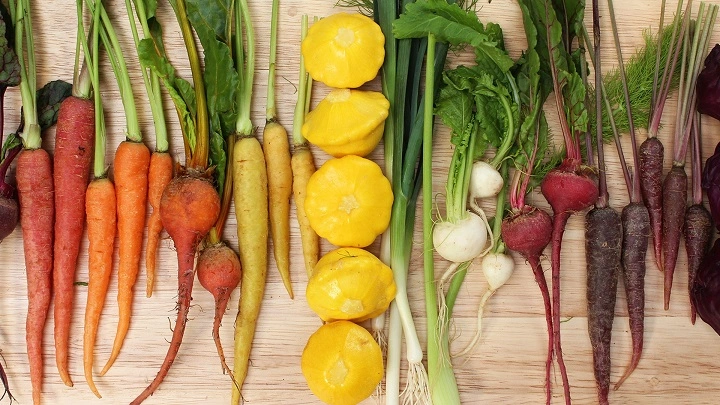
Baby vegetables are miniature versions of their full-sized counterparts, harvested early for a more tender texture and milder flavor. These tiny vegetables are not only visually appealing but also packed with nutrients. They are popular in gourmet cooking and add a unique touch to various dishes. This guide explores different baby vegetables, their benefits, and culinary uses.
What Are Baby Vegetables?
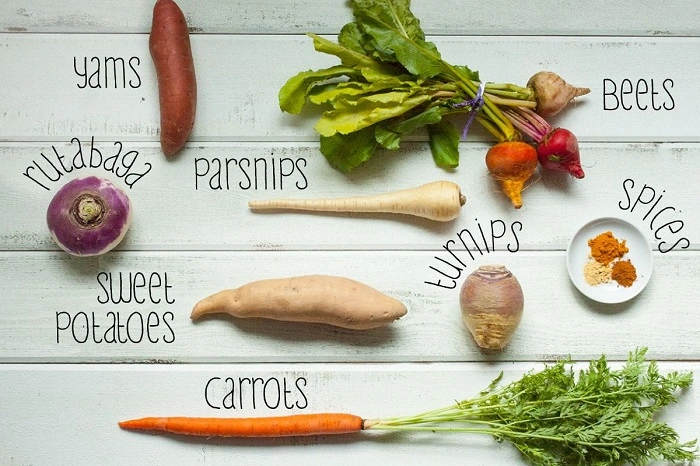
Baby vegetables are young, immature versions of fully grown vegetables. They are often sweeter, more tender, and have a delicate texture. Some baby vegetables are naturally small varieties, while others are simply picked before they reach full size.
Types of Baby Vegetables
Baby Carrots
Baby carrots are one of the most popular baby vegetables. They are small, sweet, and perfect for snacking.
Health Benefits of Baby Carrots
- Rich in beta-carotene, which supports eye health.
- High in fiber, aiding digestion.
- Low in calories, making them great for weight management.
Culinary Uses
- Eaten raw as a snack.
- Added to salads and stir-fries.
- Roasted with herbs and spices.
Baby Spinach
Baby spinach is a tender, young version of mature spinach leaves. It has a milder flavor and is packed with nutrients.
Health Benefits of Baby Spinach
- High in iron, which supports red blood cell production.
- Rich in antioxidants that help fight inflammation.
- Provides vitamin K, essential for bone health.
Culinary Uses
- Used in salads for a fresh taste.
- Blended into smoothies for added nutrition.
- Cooked in soups, omelets, and pasta dishes.
Baby Corn
Baby corn is harvested before it fully matures, making it sweeter and more tender than regular corn.
Health Benefits of Baby Corn
- Low in calories and high in fiber.
- Contains essential vitamins like B-complex and C.
- Supports digestion due to its high water content.
Culinary Uses
- Stir-fried in Asian dishes.
- Added to soups and salads.
- Grilled for a smoky flavor.
Baby Potatoes
Baby potatoes are small, young potatoes that have a creamy texture and a mildly sweet taste.
Health Benefits of Baby Potatoes
- Good source of potassium, which regulates blood pressure.
- High in fiber, promoting digestive health.
- Provides complex carbohydrates for sustained energy.
Culinary Uses
- Roasted with garlic and herbs.
- Boiled and tossed in salads.
- Mashed for a creamy texture.
Baby Beets
Baby beets are smaller and sweeter than mature beets, with a softer texture.
Health Benefits of Baby Beets
- Rich in nitrates that support heart health.
- Contains antioxidants that reduce inflammation.
- High in folate, essential for cell growth.
Culinary Uses
- Roasted for a sweet, earthy flavor.
- Pickled for a tangy snack.
- Added to smoothies and salads.
Baby Zucchini
Baby zucchini is harvested when it is small and tender, making it perfect for various dishes.
Health Benefits of Baby Zucchini
- High in water content, keeping the body hydrated.
- Low in calories, supporting weight management.
- Rich in vitamin C, which boosts immunity.
Culinary Uses
- Grilled or sautéed as a side dish.
- Spiralized into noodles for a low-carb alternative.
- Used in soups and stews.
Baby Eggplant
Baby eggplants are smaller, milder, and less bitter than mature eggplants.
Health Benefits of Baby Eggplant
- High in fiber, supporting gut health.
- Contains antioxidants that protect cells from damage.
- Supports brain health with phytonutrients.
Culinary Uses
- Grilled with olive oil and herbs.
- Roasted for a creamy texture.
- Used in curries and stews.
Baby Kale
Baby kale is a tender version of mature kale, with a milder taste and a softer texture.
Health Benefits of Baby Kale
- Loaded with vitamins A, C, and K.
- Supports heart health with antioxidants.
- Provides fiber for digestive health.
Culinary Uses
- Used in salads and sandwiches.
- Blended into smoothies.
- Lightly sautéed for a side dish.
Baby Artichokes
Baby artichokes are smaller and more tender than regular artichokes, with an edible heart and leaves.
Health Benefits of Baby Artichokes
- High in fiber, aiding digestion.
- Supports liver health with antioxidants.
- Low in calories, making them great for weight loss.
Culinary Uses
- Grilled with olive oil and lemon.
- Steamed and served with dipping sauces.
- Used in pasta and risotto.
Baby Cabbage
Baby cabbage is a miniature version of regular cabbage, with a slightly sweeter taste.
Health Benefits of Baby Cabbage
- Supports digestion with fiber.
- Contains vitamin C for immune health.
- Helps reduce inflammation with antioxidants.
Culinary Uses
- Used in coleslaw and salads.
- Stir-fried with garlic and soy sauce.
- Fermented into kimchi or sauerkraut.
FAQs
Are baby vegetables healthier than regular vegetables?
Baby vegetables contain the same nutrients as their mature counterparts, but they are often more tender and easier to digest.
Can you eat baby eggplant raw?
While baby eggplant is softer than regular eggplant, it is usually cooked to enhance its flavor and texture.
How should I store baby vegetables?
Most baby vegetables should be stored in the refrigerator in a breathable bag to maintain freshness.
Are baby potatoes different from regular potatoes?
Baby potatoes are simply young, small potatoes that have a creamier texture and sweeter taste than fully mature potatoes.
What are the best ways to cook baby zucchini?
Baby zucchini can be grilled, roasted, sautéed, or spiralized into noodles for a light and healthy dish.